





Image recognition in retail: 11:30 by hand, 2:10 with a scan

6 min reading
Shelf execution · Budapest, March 2025

Checking a shelf by hand can take eleven and a half minutes. Image recognition in retail closes the same loop in two.

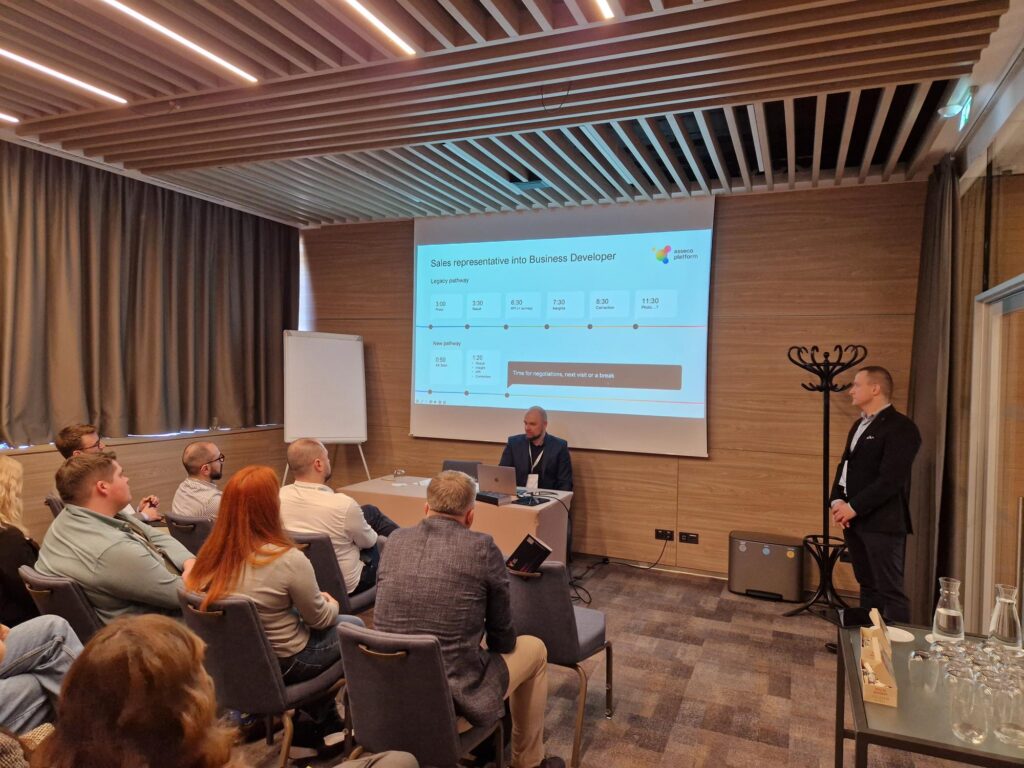
A workshop audience in a meeting room during a workshop on image recognition in retail

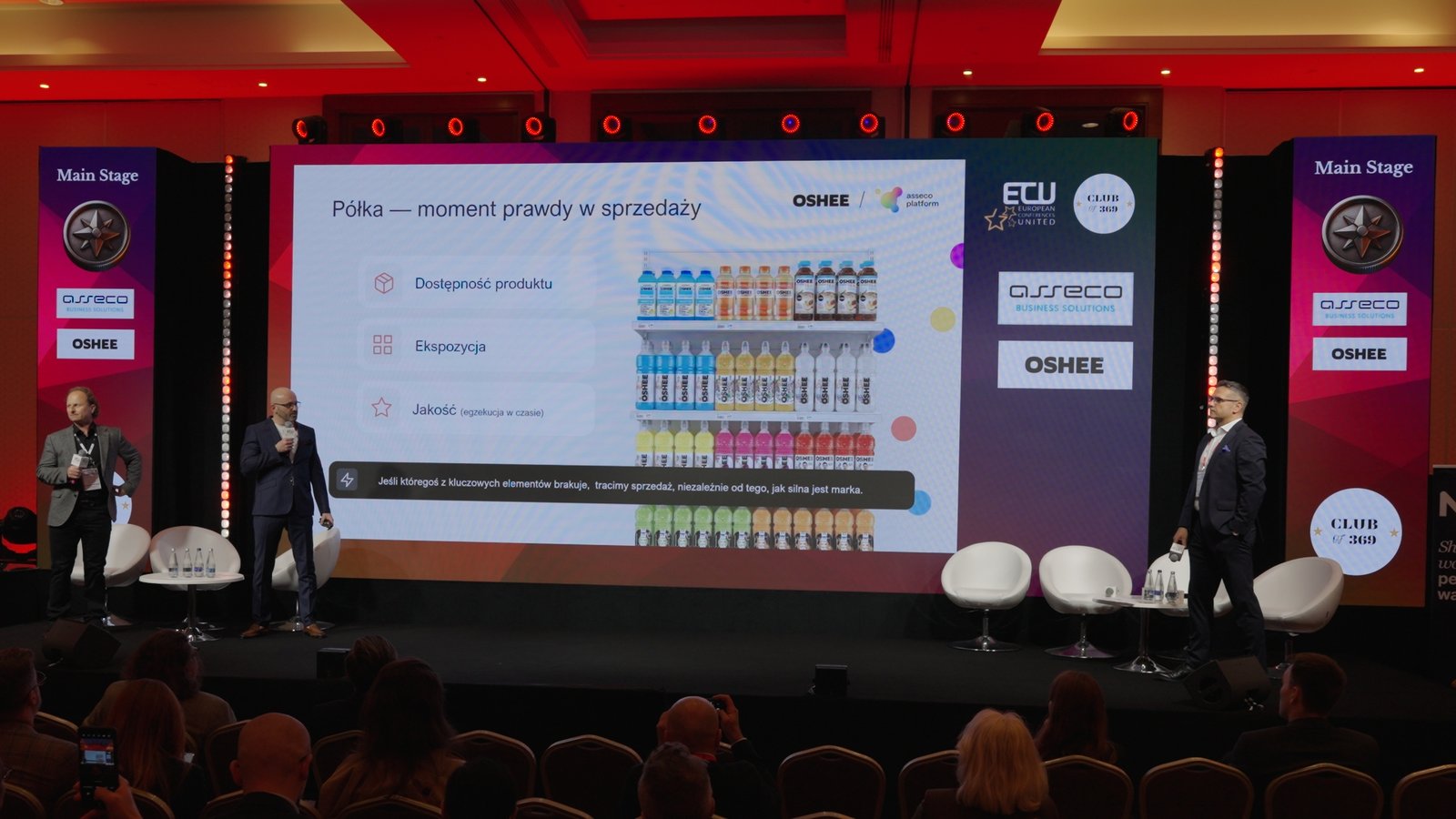
In Budapest, on March 4, 2025, we took part in a workshop on image recognition and put one observation in front of the room. Done by hand, with no image recognition anywhere in the process, a shelf check can take as much as eleven and a half minutes. Scanned, the same check comes back in about two.

11:30
a shelf check done by hand, with no image recognition in the process
2:10
the same check with image recognition, verification scan included
0:50
the scan itself

Timings from our deployments, given as an example rather than a benchmark. What a check costs, and how much of it a scan takes back, depends on the shelf and the number of products on it.

What a manual shelf check actually costs

Checking a shelf by hand means counting facings, writing down prices, answering the survey attached to the visit, working out what those numbers mean for this store, fixing what’s wrong, and then measuring the shelf again so the correction can be reported. Done by hand, with no image recognition anywhere in it, that can take as much as eleven and a half minutes.

Almost none of that time goes on looking at the shelf. It goes on writing down what’s on it, comparing that against the list, and then proving the correction happened.

The proving is the part that gets dropped. A rep who has spent the visit measuring has a shelf that now looks right and nothing left to measure it with, so the report that reaches headquarters describes the fix on somebody’s word. That’s the honest version of a manual shelf check: it produces a number, a corrected shelf, and no evidence connecting the two.

The same shelf in two minutes, and a different job

With image recognition the counting and the writing collapse into a scan.

Fifty seconds to photograph the shelf. About thirty for the facings, the KPI comparison and the correction to come back on the phone the rep is already holding. Another fifty for the verification scan once the shelf has been put right. Two minutes and ten seconds, same shelf, same six things done, evidence included.

The saved minutes are the smaller half of what changes. The bigger half is the job itself. The rep stops being the person who writes down what’s on the shelf and becomes the person who changes what’s on it, with enough of the visit left to argue for that change with the store.

The time is saved by where the answer lands

The two minutes come from the answer arriving on the phone the rep is holding, before they leave the store.

A setup that reads shelf photos overnight and delivers a report the next morning doesn’t change the visit you paid for. By the time the report exists the rep has left, the shelf is exactly as it was, and the correction has turned into a task for the next visit, in a store no one is standing in. The number exists. The shelf it describes was fixed by nobody.

A result that lands at the shelf, with the KPI already applied, tells the rep what to fix. A report that lands the next morning tells somebody at headquarters what happened.

The second measurement matters for the same reason. With it, your report says the shelf changed, and that’s the version headquarters can act on.

The hardest shelf to read was the one in the room

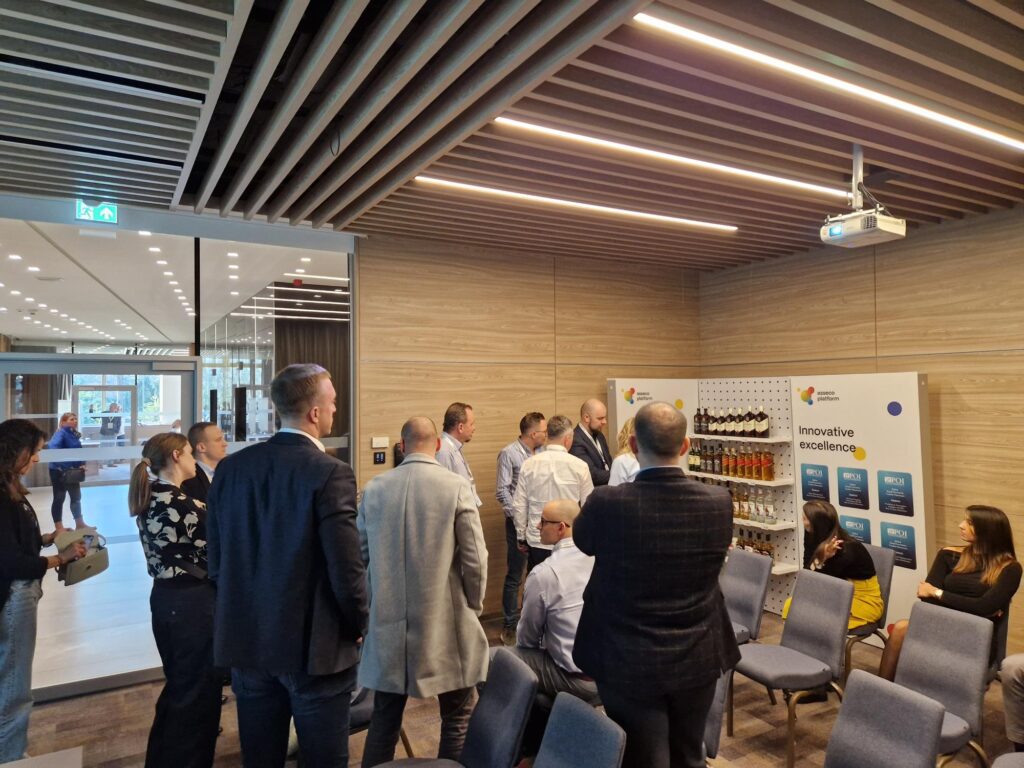
The shelf standing in that room held spirits, and it’s the hardest kind of shelf to read from a photograph.

Bottles in that category repeat the same handful of silhouettes across dozens of brands. The glass is clear or lightly tinted, so each bottle carries a distorted image of whatever stands behind it and a reflection of the room. Facings overlap when a shelf is deep. Variants are separated by label color and a word set in a few millimeters of type, and the label on the shelf edge frequently names a product that’s no longer standing above it.

A workshop is a different room from a webinar, and this is where the difference showed. Nobody there had to take the accuracy figure on trust, because the phone went round the table and the shelf was two meters away.

Workshop participants standing in a meeting room next to a demonstration shelf stocked with glass bottles
Clear glass, repeated silhouettes and variants separated by label color. The hardest shelf to read from a photograph.

Three questions to ask about any image recognition setup in retail

Two of these are about what happens around the recognition. The scan takes fifty seconds. Everything else in a manual check sits around it.

  1. Where does the result land, and when? On the phone, in the store, inside the visit, or in a report the next morning. That decides whether anything on the shelf changes today.
  2. Does the process record a measurement after the correction? If it ends at the fix, the numbers reaching headquarters describe what somebody meant to do.
  3. What does it do on the hardest shelf in your portfolio? Chilled cabinets, backlit fixtures, private label that mimics the brand leader. Ask for that shelf when you run the test.

How Asseco Platform runs the shelf-check loop

Running that check end to end is what the product does. More than 125,000 users across 74 countries work in Asseco Platform.

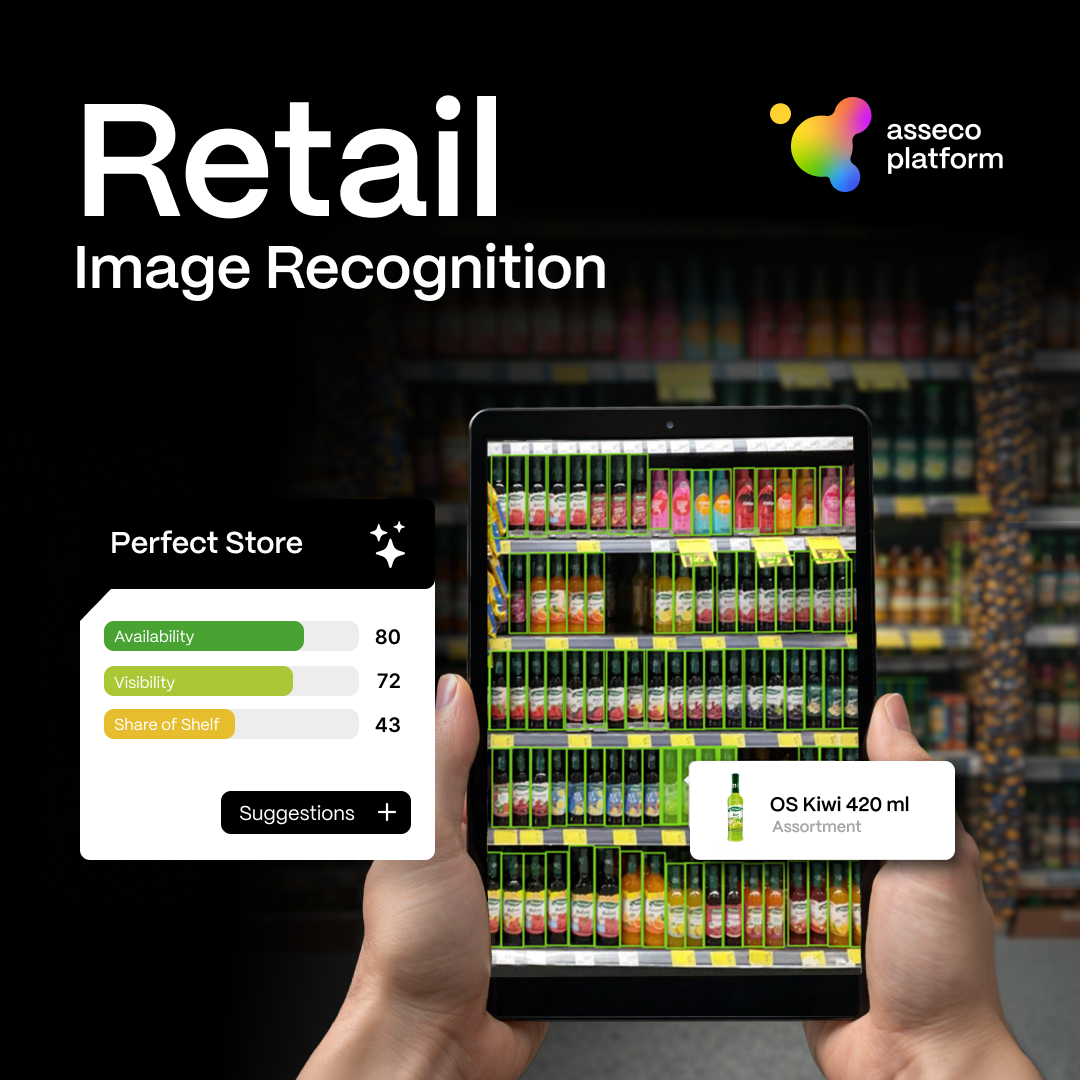
  • Retail Image Recognition reads the shelf photo and returns the facings that are standing there, with recognition accuracy up to 98%. On a spirits shelf the output that matters is the variant, because the brand block is already obvious from across the aisle.
  • Sales & Retail Execution is where the rep works, on a phone or a tablet, with the scan, the result, the KPI and the second measurement in one place.
  • Perfect Store, an advanced module of Sales & Retail Execution, turns the read into a target for this specific store, so the correction the rep makes is the one that moves the score.

Questions about shelf checks and image recognition

How long does a shelf check take with image recognition?

About two minutes: fifty seconds to scan, thirty seconds for the result and the KPI comparison, and fifty seconds for the verification scan after the correction. Done by hand, with no image recognition in the process, the same check can take as much as eleven and a half minutes.

Does image recognition work on glass bottles?

It’s the hardest case in the category, for the reasons on this page: reflections, repeated silhouettes, and variants that differ only in label color. Run your test there first rather than on a shelf that’s easy to read.

Is it the same two minutes on every shelf?

No, and any figure that claims otherwise is worth questioning. The check scales with the size of the shelf and the number of products on it. A single chilled cabinet with a dozen products is faster than a full category gondola, and a traditional trade store is faster than a hypermarket aisle.

Want to see this run on your hardest shelf?

Let’s talk →

Photographs taken in Budapest, March 4, 2025. Timings from our deployments.

Let’s talk about new business opportunities

Microsoft Booking is the scheduling automation platform with team-based scheduling, solutions and integrations for every department, and advanced security features.