





What a brand never sees between the wholesaler and the pharmacy shelf
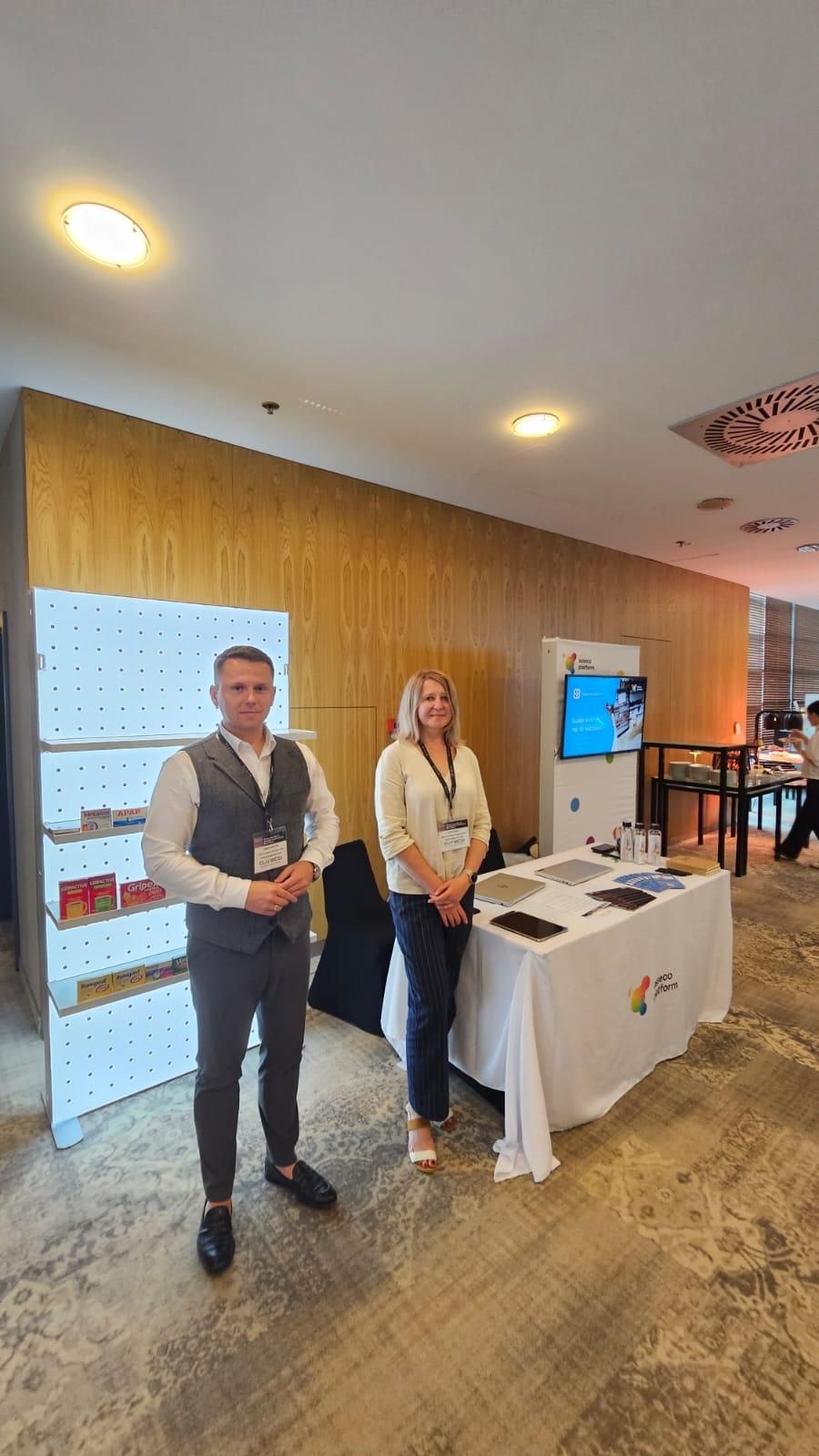
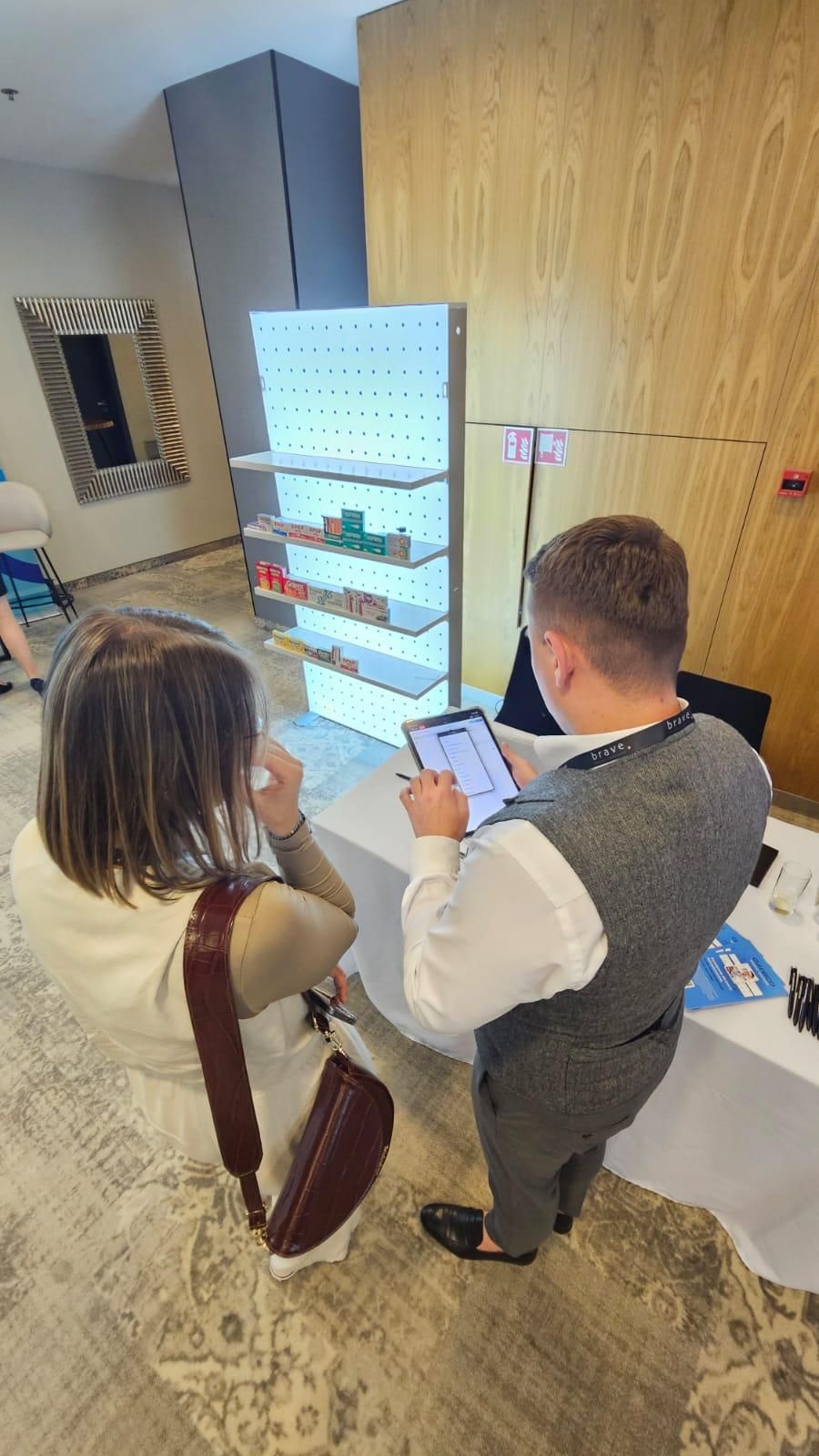
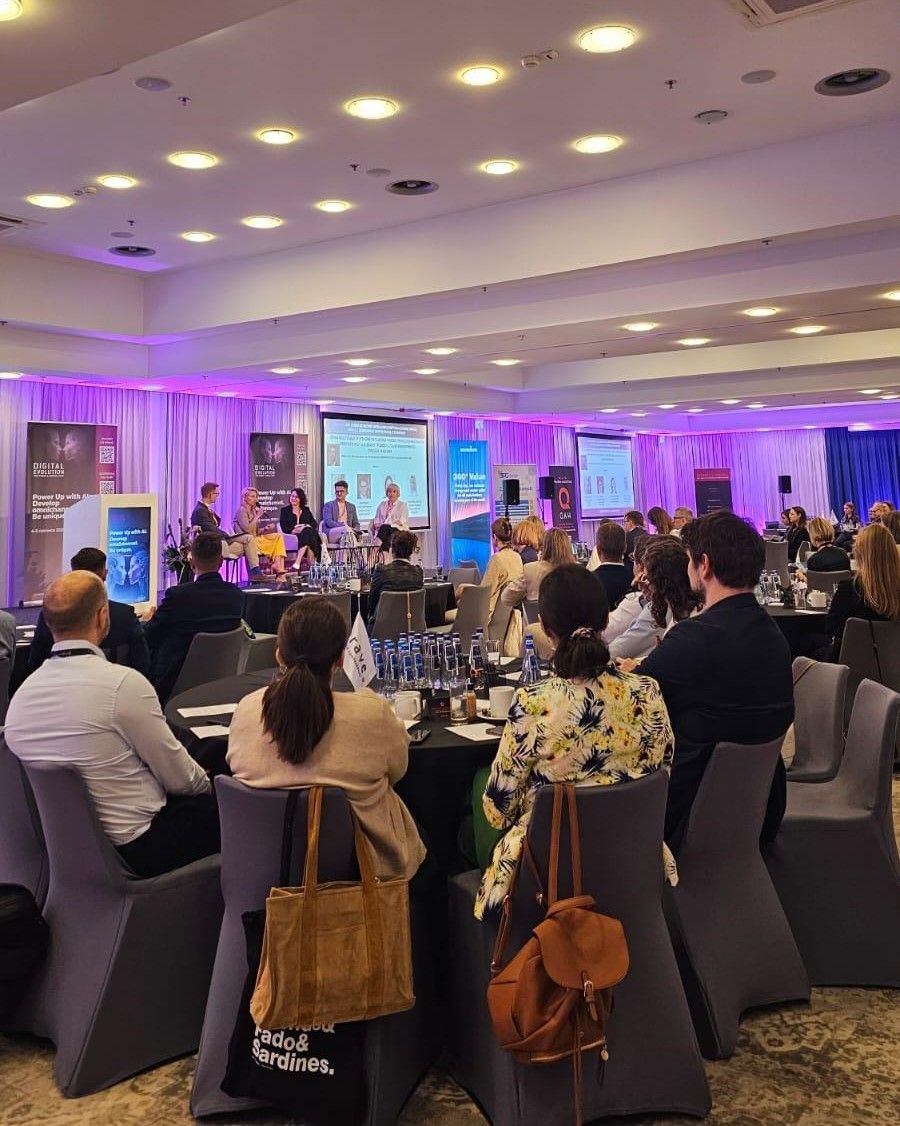
We had a booth at the VI Forum Digital Evolution for Pharma & Medical in Warsaw. The programme ran under the line “Power Up with AI. Develop omnichannel. Be unique.” and filled two days with sessions for brand, product and digital managers.
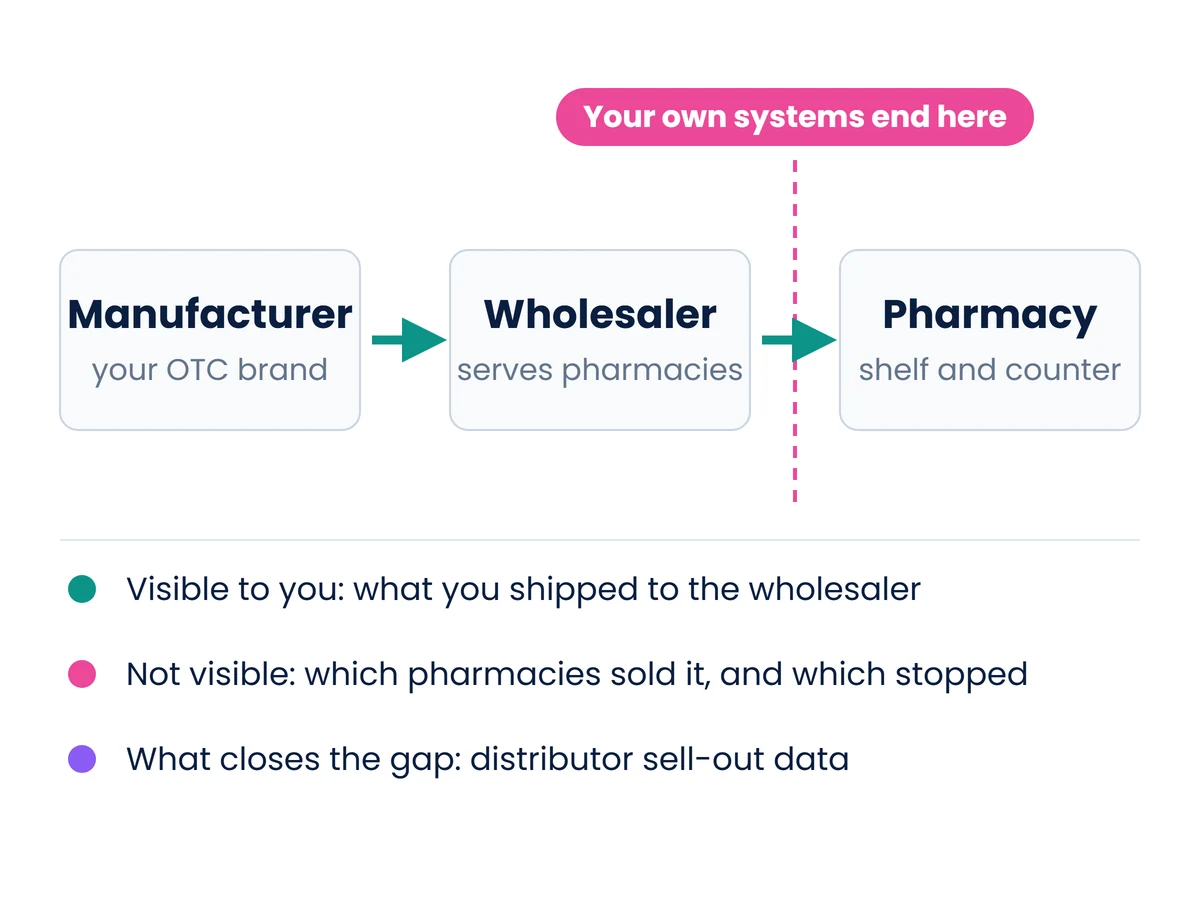
Most conversations at the booth came back to one question: how do you measure what digital work does to sales, when you cannot see the sale? For an over-the-counter (OTC) brand, the answer runs through a wholesaler.
Event facts and attendance from the organisers, digitalpharma.com.pl.
Four sessions on digital work, and one place your own data does not reach
The programme had four sessions. Two of them went into AI in daily work and in dealing with clients, and into how to stand out enough to reach today’s audience. The other two went into data and the customer relationship as one omnichannel experience, and into business excellence inside the organisation and with agencies.
A pharmacy is not a channel a brand can address directly. The pharmacist decides what to recommend. Between you and the pharmacy there is a wholesaler whose systems belong to somebody else. You can see what left the warehouse and very little after that.
FMCG manufacturers hit the same wall in traditional trade, which is why distributor sell-out data exists as a category of its own. In pharma it is sharper, because the professional at the counter is part of the decision.
Three things it takes to run retail execution in pharmacies
All three start with a data problem.
1. Distributor sell-out
Sell-in tells you what you shipped. Distributor sell-out tells you which pharmacies received and reordered your product last month, and which ones stopped. It also shows the pharmacies that never stocked it at all. A wholesaler invoices each delivery, so the record exists in its systems. It doesn’t arrive in a shape a brand team can use: every wholesaler has its own format and its own product codes, and addresses rarely match between sources. Our distributor sell-out data platform, Trade Data Hub, integrates 1 600+ distributors in 27 countries, with sell-out visibility into 900 000+ outlets across FMCG, pharma and adjacent categories. In Poland alone the sell-out data of pharmaceutical distributors covers over 70 000 outlets, not all of them pharmacies.
2. Evidence of what the shelf looks like
Part of an OTC range stands in self-service and part behind the counter, and which is which depends on the status of the product and on the market. Wherever it is on display, a photo taken during the visit and read by image recognition returns a record: which of your items were present, how much of the visible space they held, and whether the agreed display was built. It is the same photo-based shelf reading we run in grocery, applied to a smaller and more crowded space. That answers the question a brand manager asks first: was the pack you paid to promote visible at all?
3. An annual agreement with the pharmacy
The rep negotiates an annual deal with the outlet, split into quarters: value or volume targets on products, brands or whole categories. On top of that come qualitative terms, most often the display and the presence of the agreed range on the shelf. The rep builds and signs the agreement digitally during the visit and follows performance through the year, so a shortfall gets fixed in the quarter it happens. What those terms may contain, and what support a brand may offer in return, depends on the market and on the status of the product; your own compliance rules set that, not the software. This loop is part of retail execution, and it runs on the sell-out feed, the shelf photo and the rep’s own record of the visit. It works the same way when the visits are made by an agency rather than your own team.
How you know the quarter actually moved
A display target can be photographed, so it is settled by evidence. Everything else in an OTC deal shows up later and indirectly, which is why the workable measure is distributor sell-out per pharmacy over time, read against pharmacies with a similar profile. It gives you a direction rather than an isolated cause, and that is enough to act on: before the quarter closes you know which agreements are working and which need a visit.
The pharmacist’s recommendation carries weight in this channel, and neither a photograph nor an invoice will capture it. That part of the job stays with your people, which is a good reason to hand them the outlet’s own numbers before they walk in.
Selling through pharmacies?
Asseco Business Solutions has built commercial execution and distributor data solutions for consumer goods manufacturers for over 30 years, pharma and OTC brands among them.