





Why an e-commerce conference kept talking about the shelf
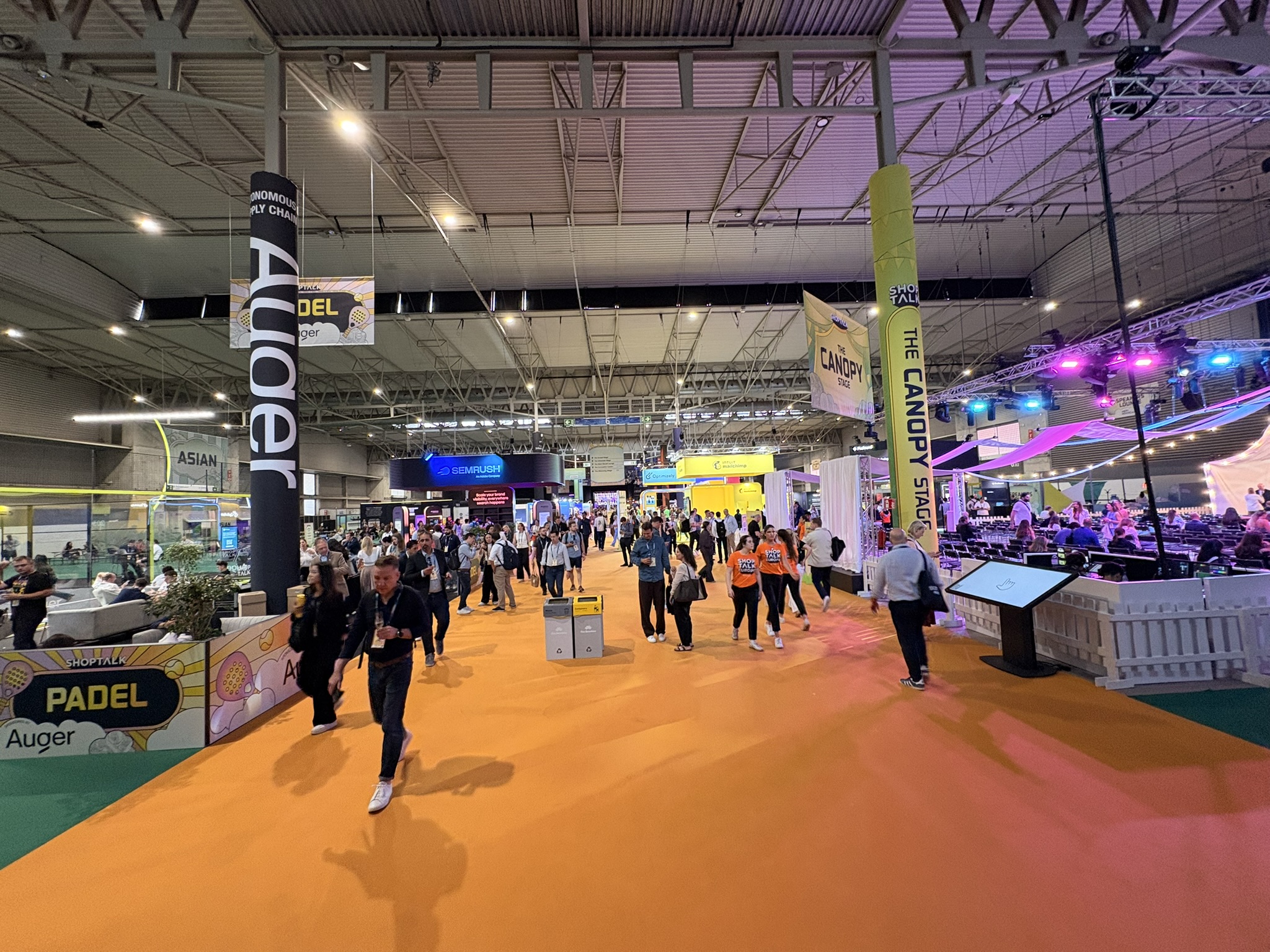
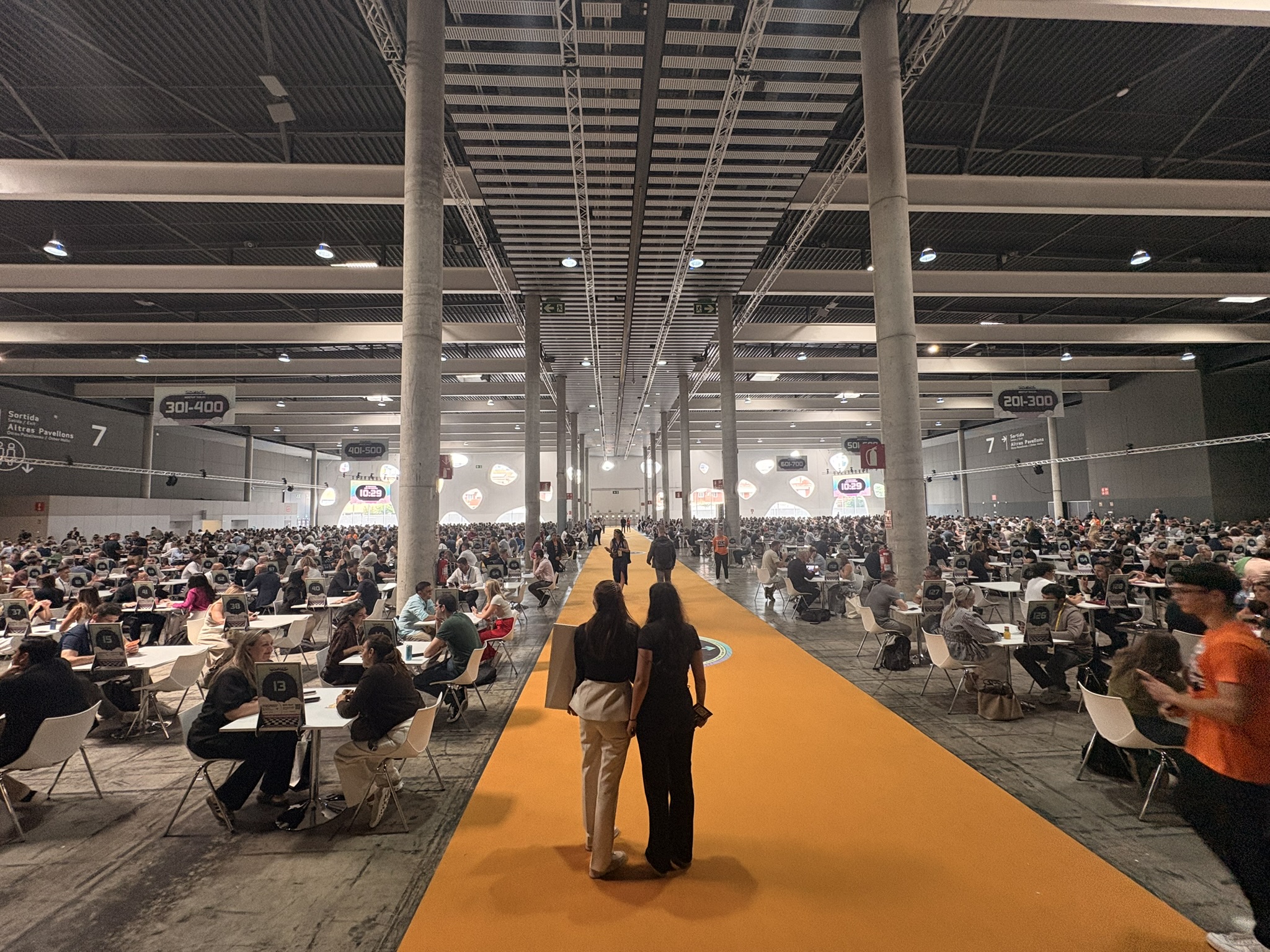
4,500 people, 60-plus countries, three days in Barcelona.
Mostly a digital event, and yet I came back with a handful of things that circle back to the shelf.
I went to Barcelona this June expecting the usual AI show. Big stage, big claims, a slick demo that works once and never makes it into a real store. And it’s a huge event, so there was plenty of stage to fill. What surprised me was the tone. People had stopped performing AI and started arguing about whether it actually pays for itself.
A couple of years ago, AI at these events was always a someday thing. This year the question was no longer “when”, it was “how much”. The organisers called it AI moving “from theory to execution”, and that’s pretty much what I heard between sessions, over coffee, at dinner.
So here’s what I came home thinking. Most of it, it turns out, is less about the website and more about the shelf.
Mostly an online crowd
One thing to keep in mind before reading too much into the agenda: the badges at Shoptalk Europe say e-commerce, digital, marketing. On paper this is an online crowd, and that’s what the room does for a living. Retailers and consumer brands were a bit over 40% of it, and more than half of them were there for the first time. What they sell is another matter: food, CPG and grocery made up the single biggest vertical there, just ahead of fashion and luxury.
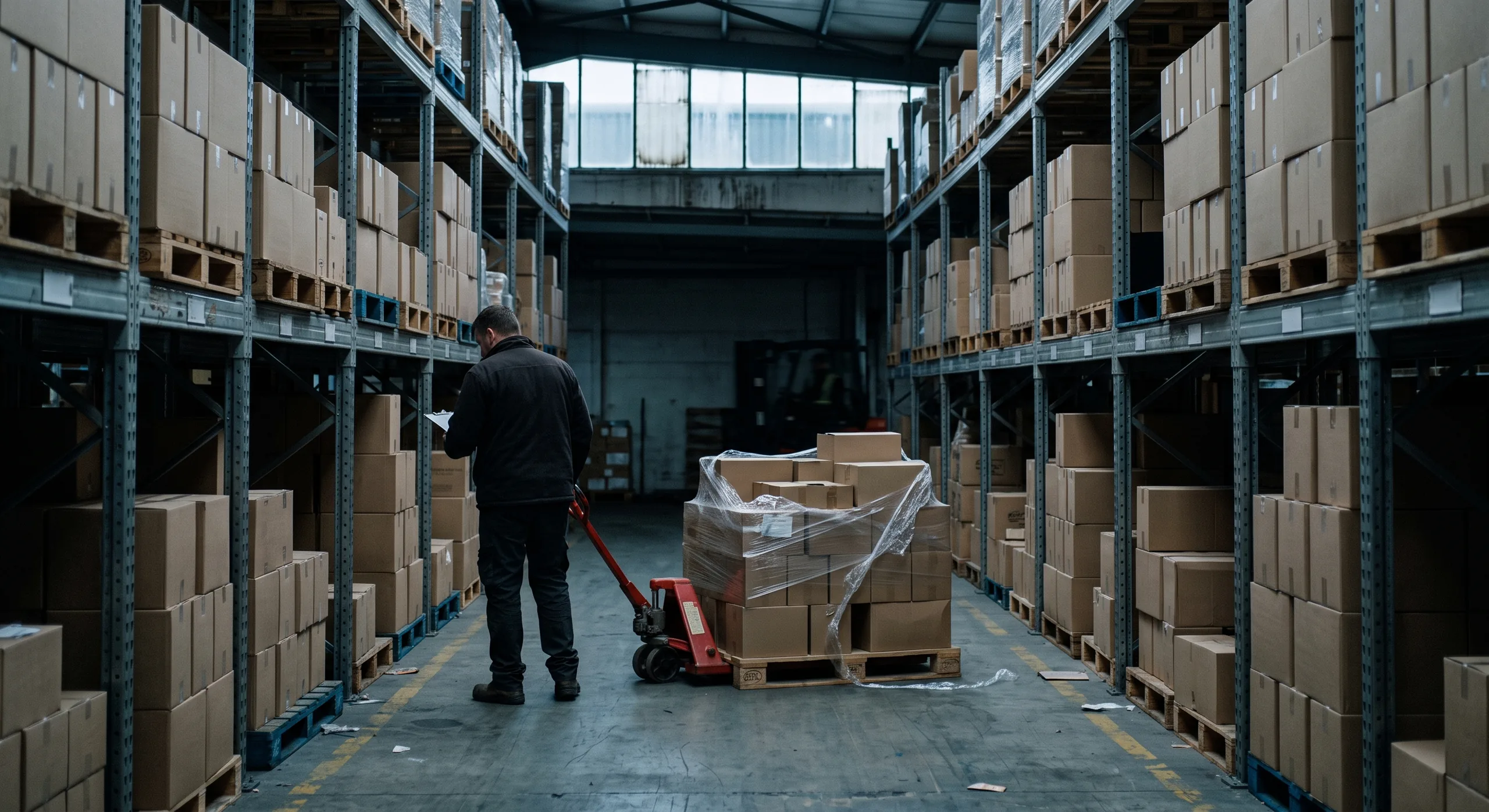
Which is exactly why it stuck with me: a room full of digital job titles spent three days talking about physical stores and supply chains. I didn’t see that coming.
Agentic commerce, minus the hype
The big word this year was agentic commerce: AI that doesn’t just recommend things, it goes and buys them for you. A few speakers were honest enough to admit the full “let the assistant do my shopping” version isn’t really happening in Europe yet. What is happening is more boring and more useful. AI is already changing how people search, compare and make up their minds, well before they get anywhere near a checkout.
That doesn’t worry me much. There’s a lot of hand-wringing about agents taking over the whole purchase, but here in Europe we’re nowhere near that. The searching and comparing is moving fast. The buying itself, for now, stays with the human.

Everyone wanted the number
The biggest change wasn’t a technology, it was the mood. Nobody was asking whether to use AI anymore. They wanted to know what they got back for the money. Patience for endless pilots is clearly running out.
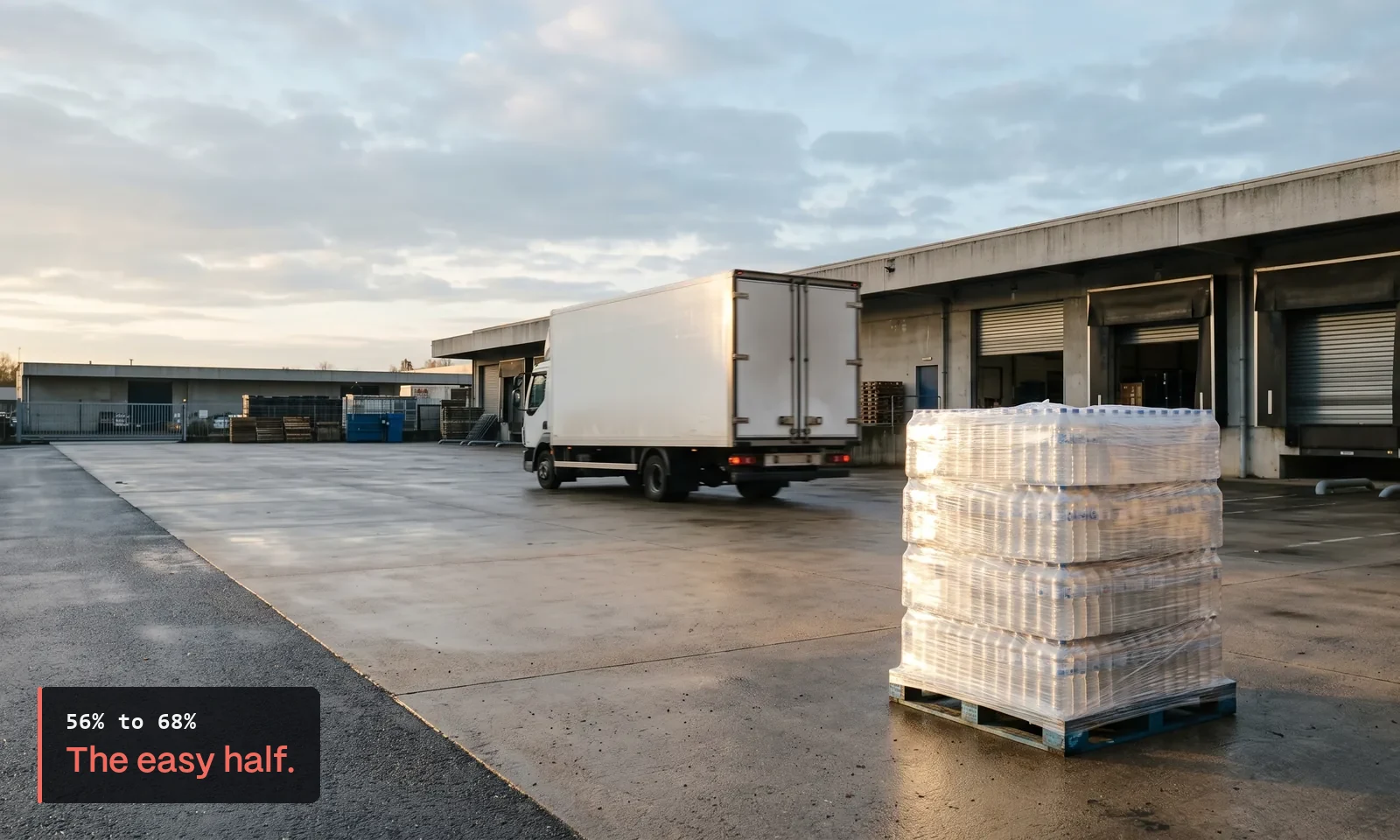
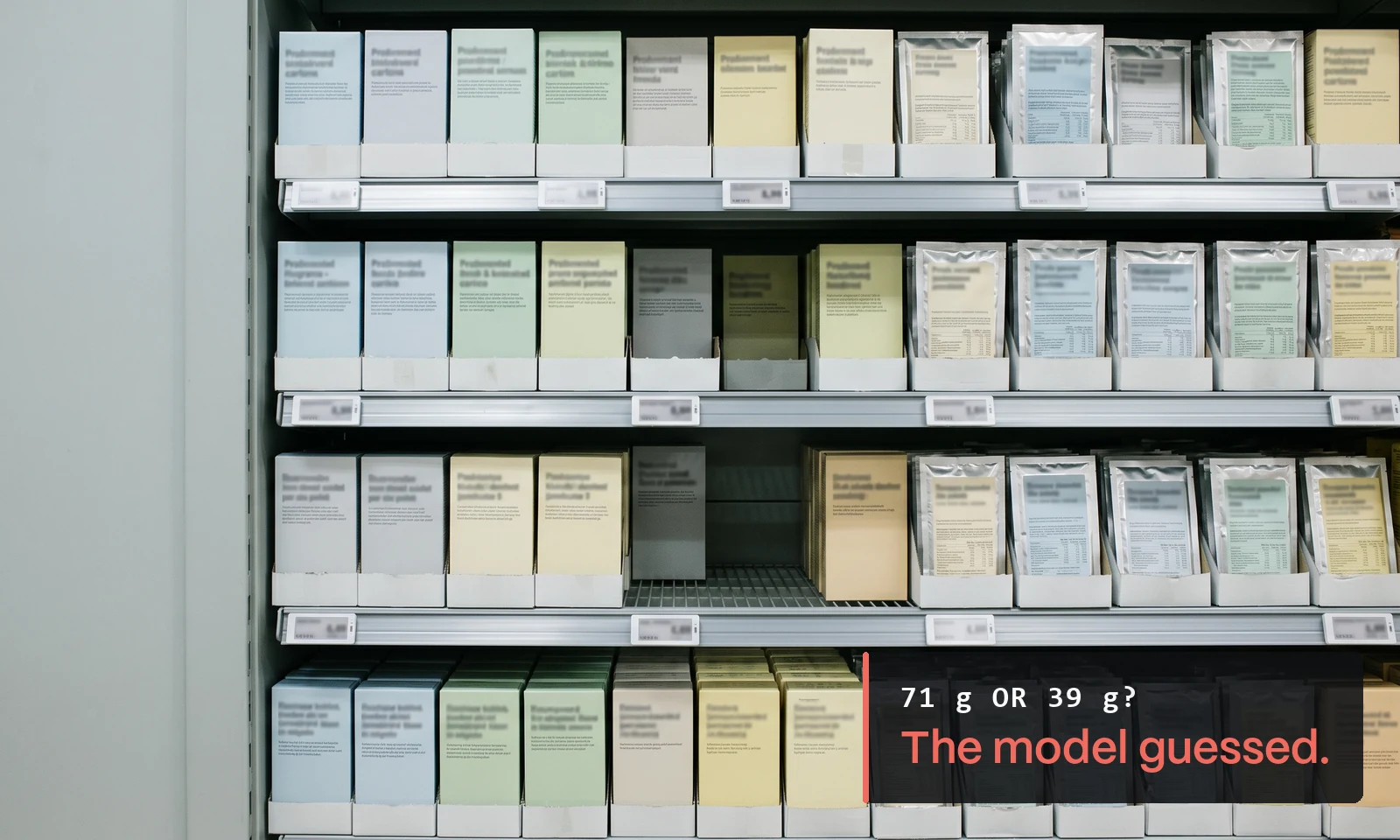
This one made me smile, because in field sales we hit that wall years ago. When your “AI” is a camera checking a shelf, or a model deciding which store a rep visits first, you can’t afford a science experiment. A rep’s day costs real money, and you can count it. The number we count is service ratio, the share of that day a rep spends inside a store, and on our route optimisation work it went from 58% to 71%. “Show me the return” is what Shoptalk got excited about this year. In retail execution we’ve been answering that question for years.
“The store is no longer just the store“
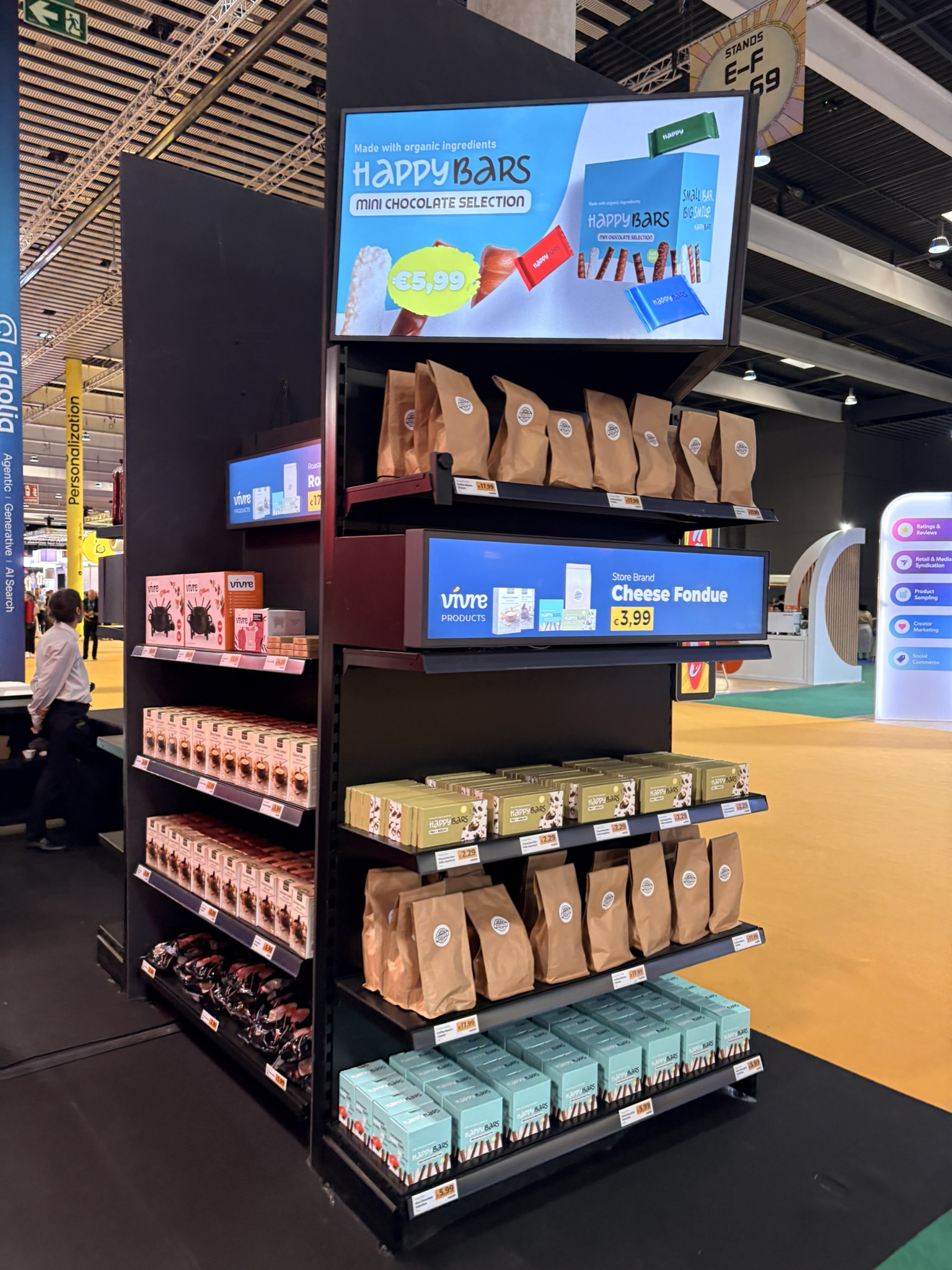
Retailers talking about making stores places people actually want to go, not just a counter to pick up the thing they already ordered online.
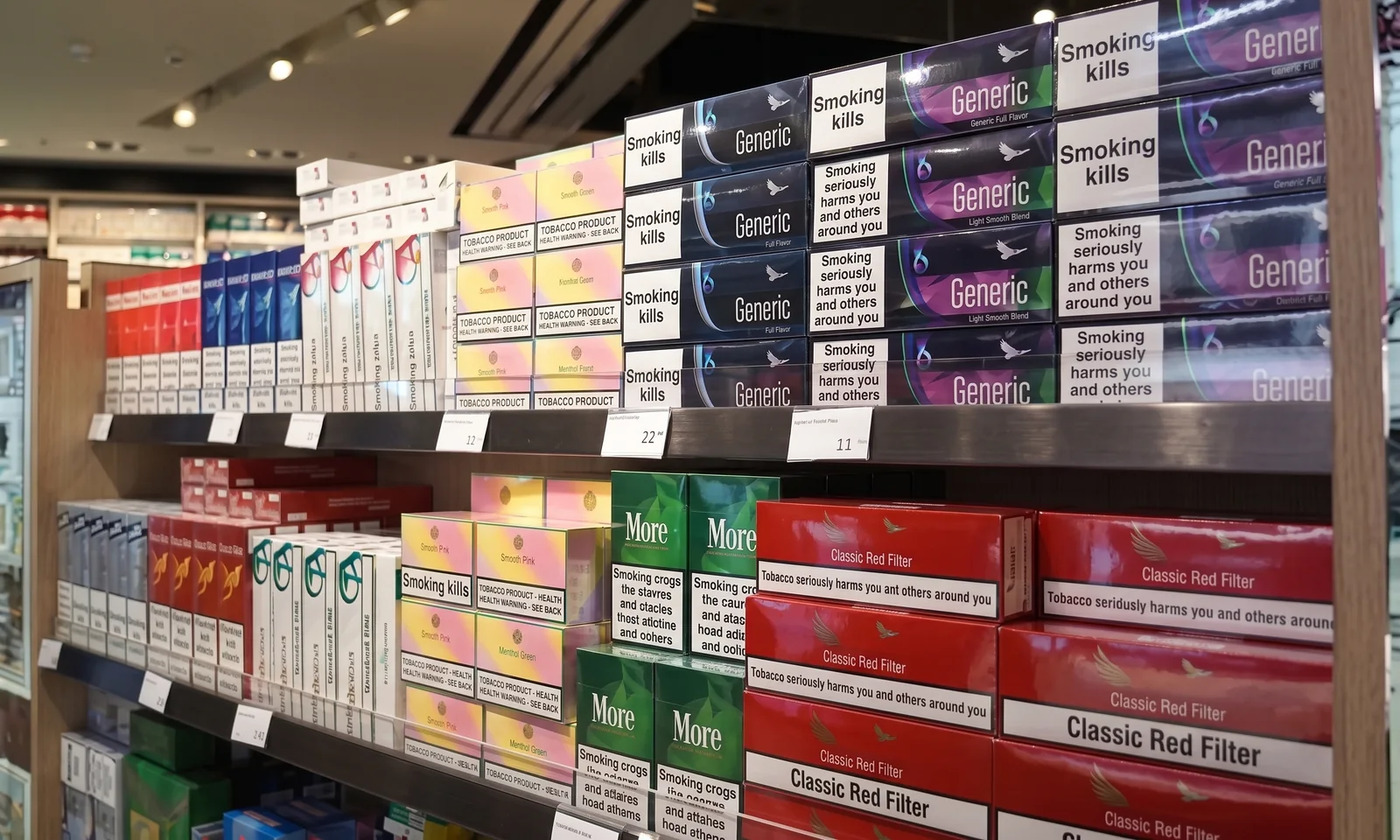
Fair enough, but in FMCG this is old news. If you sell through someone else’s store, the shelf was never just a bit of wall. It’s where the category gets won or lost, every day, whether anyone’s paying attention or not. The new bit is that the rest of retail is catching up to something the field execution world has always taken for granted. When everything online gets noisy and unpredictable, the shop floor is one of the few things you can still actually control.
The shopper who doesn’t think in channels
There was a nice term going round for today’s shopper: the channel-less consumer. Someone who honestly doesn’t think in channels at all and just expects you to be there, wherever “there” happens to be. The smarter people on stage weren’t saying “be everywhere”. They were saying pick the few places that matter to your customer and do those properly.
For most of FMCG this is very down to earth. You usually don’t own the store. You win through whoever’s actually standing in front of the shelf for you, whether that’s your own reps, a distributor, or a merchandising agency. “Meet the shopper where they are” really just comes down to reach, and doing it the same way every time across all of them.
A bet on demand sensing
Instead of the usual recap of the year, Shoptalk used its Retail Zeitgeist slot to make some bets about the next decade. The one I keep thinking about is the shift from forecasting to demand sensing: reading what’s actually happening right now, more or less in real time, instead of projecting forward from last year’s numbers.
That’s not some far-off 2036 thing. In consumer goods it’s already the difference between the companies that keep the right product on the right shelf and the ones still running last year’s averages forward and hoping for the best. The first lot read real distributor sell-out signals. The second lot guess.
The conference caught up to the shelf
Strip off the e-commerce wrapping and most of it sounded familiar.
I’ll be upfront about my bias: this is exactly what my team and I work on at Asseco Platform, building AI for retail execution in FMCG. So of course I’m primed to notice it. What I hadn’t expected was who was making the argument. For years we were the ones explaining why the shelf deserves its own budget line. In Barcelona people who sell online were making that argument back at me.
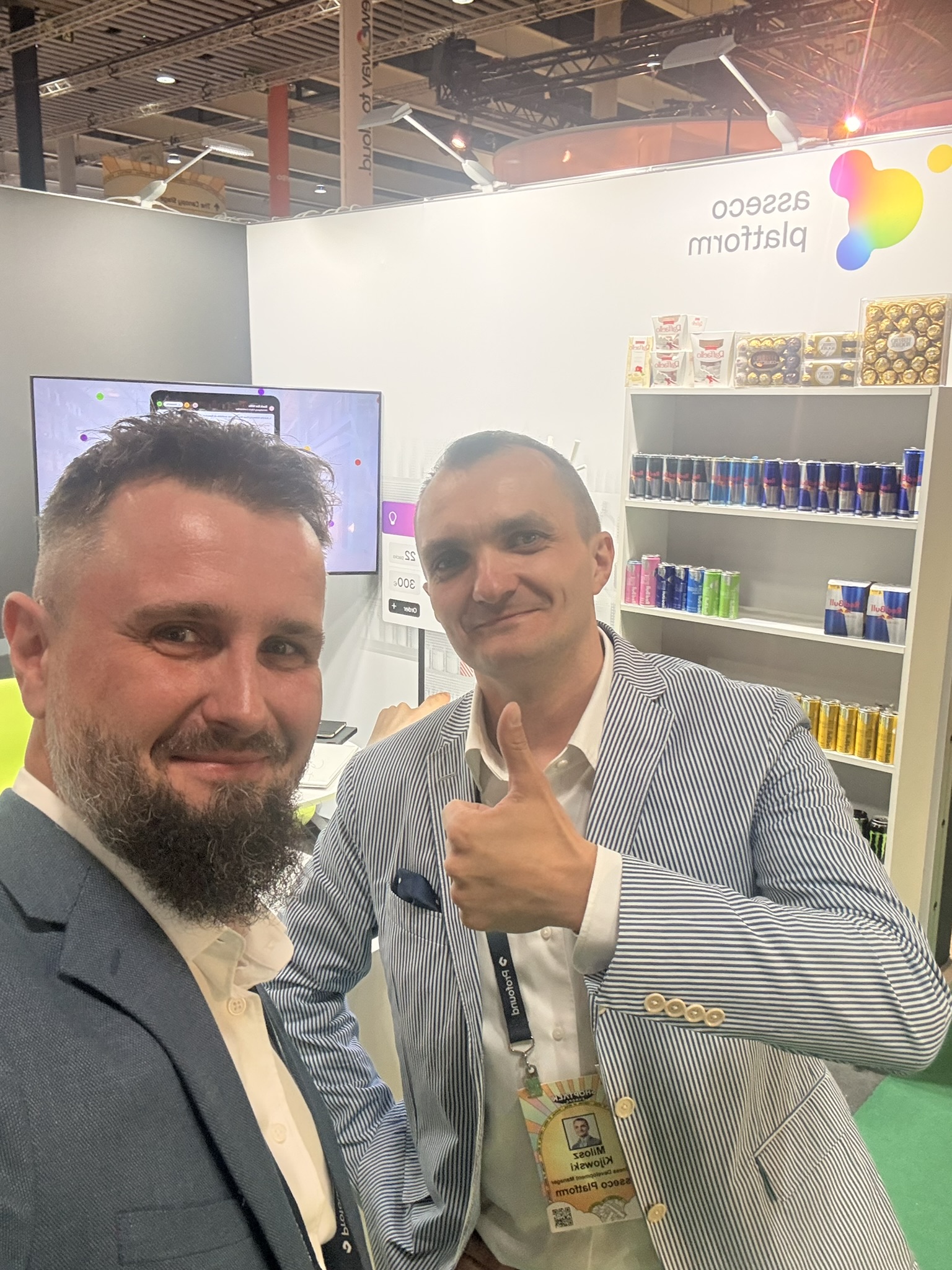
Shoptalk Europe is back in Barcelona on 1–3 June 2027, and the organisers said at the time it was already 70% sold out. I’ll be there again, mostly to see whether the 2026 demos turned into anything.
If you run a field team, that saves you an argument. The case for measuring what happens in store no longer has to be made from scratch, so the work moves to the harder part: agreeing which number counts, and defending it every quarter.

Marcin Grzegorczyk
Director of Market Development & Sales Enablement, Asseco Business Solutions
I lead market development and sales enablement for Asseco Platform, a European FMCG retail execution platform used by 125,000+ users across 74 countries. I write about retail execution, category management and what actually happens at the shelf.