





PepsiCo’s digital transformation in retail: the data layer a producer does not own
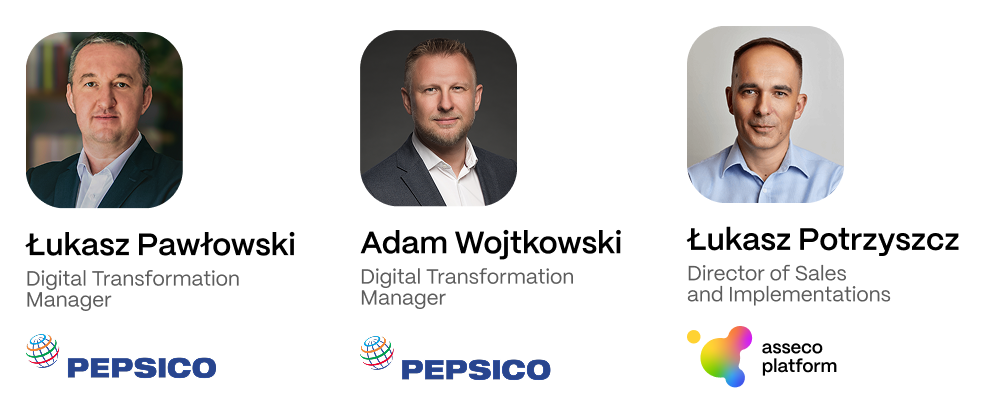
In May 2025 we were on stage at the POI European Summit in Amsterdam, in a session called PepsiCo’s Journey to Digital Transformation Excellence, alongside two people from PepsiCo and a moderator from POI.
What we came to talk about was the data a producer stops seeing. Sell-in is precise to the pallet. After that the trail runs through other companies’ systems, and most producers never get it back.
Three moves that make the rest possible
The session followed three of them. From static reports to a data and insights platform. From fragmented decision-making to planning and execution working off the same numbers. From data a handful of analysts could reach to data the commercial organisation could use on a Tuesday morning.
All three depend on the same thing being in place first, which is why they belong together rather than in three separate projects. A shared platform is only shared if everyone reads the same figures, and figures are only the same if they were reconciled before anyone opened a report.
On stage: Łukasz Pawłowski and Adam Wojtkowski, both Digital Transformation Managers at PepsiCo, and Łukasz Potrzyszcz, Director of Sales and Implementations at Asseco Platform. Michael Kantor from POI moderated.

Where a producer’s visibility stops
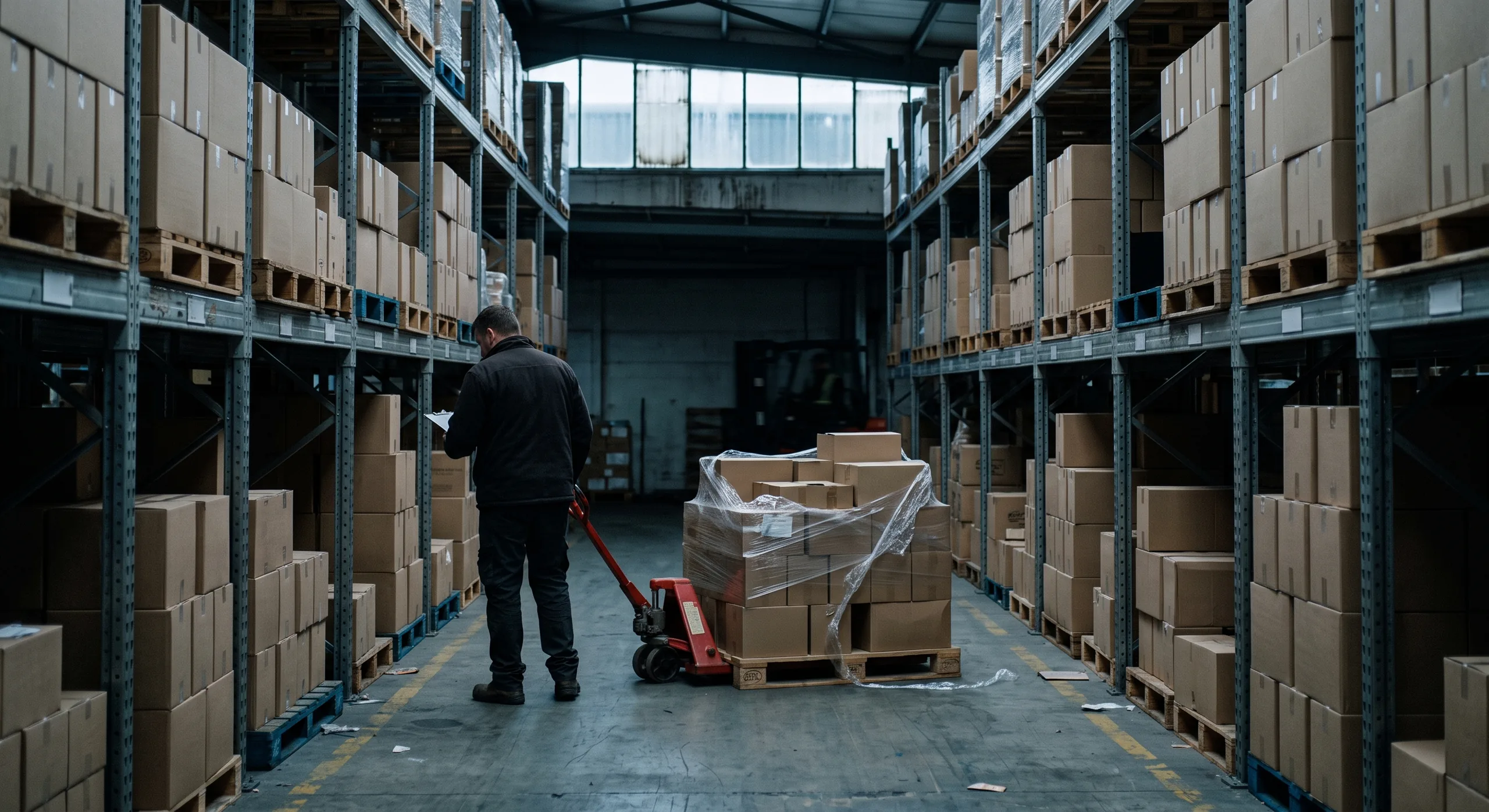
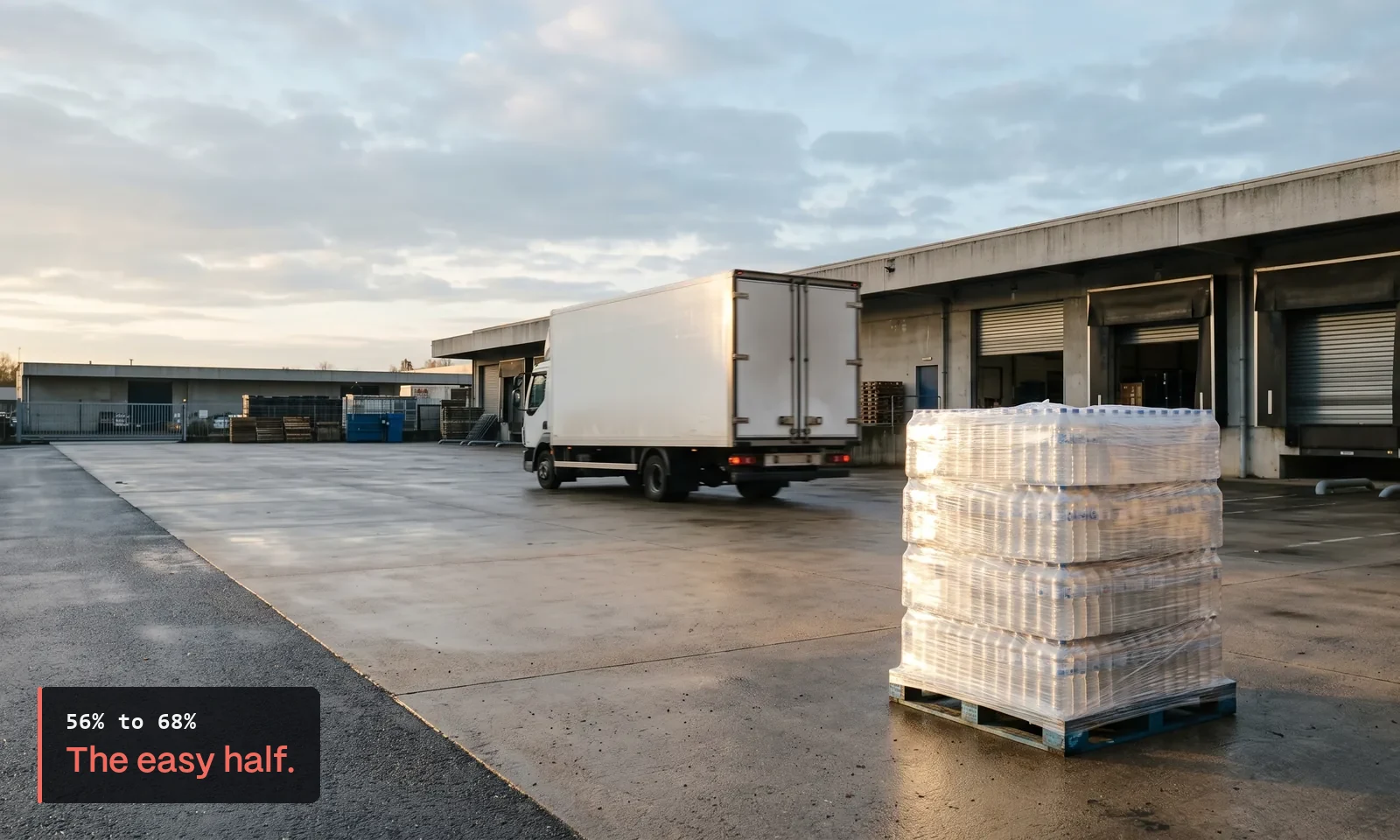
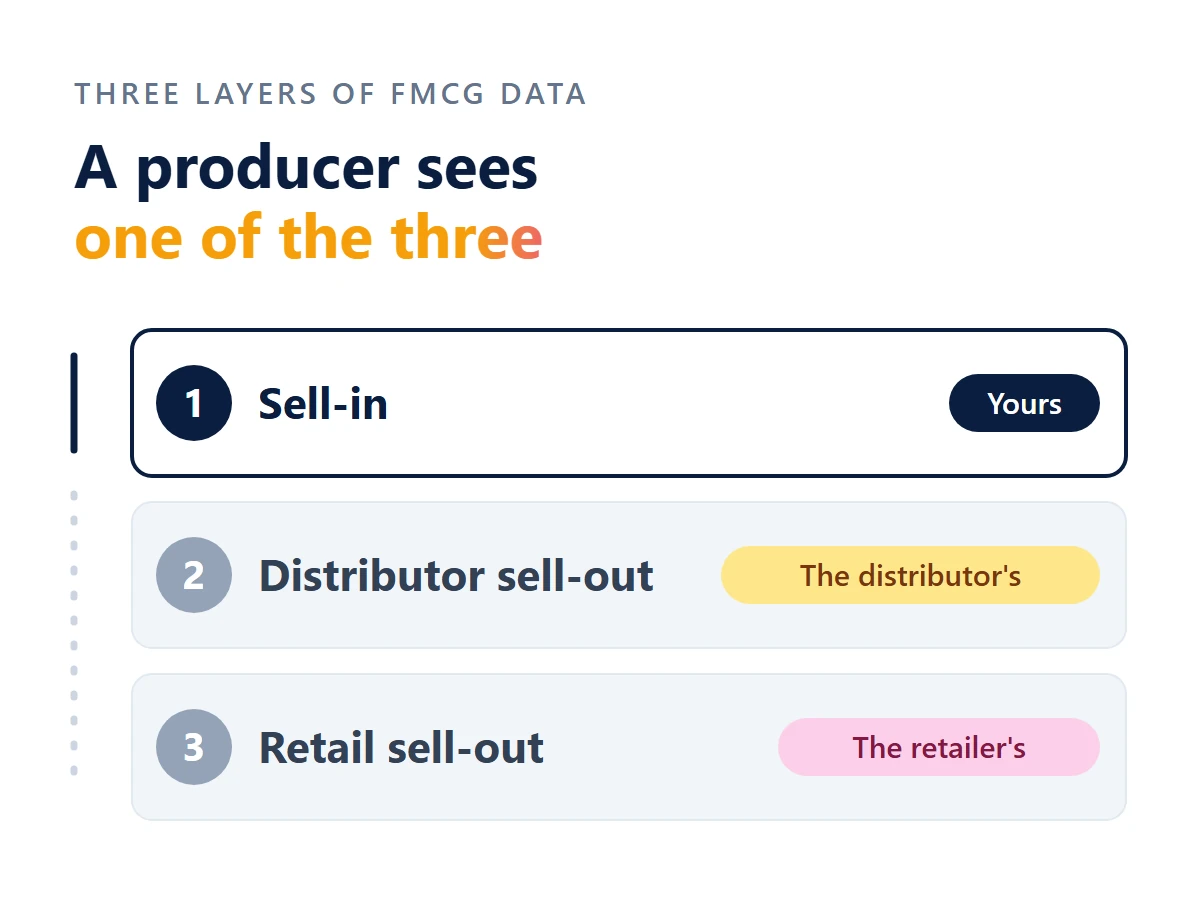
A producer knows its sell-in precisely. Every pallet that leaves for a distributor is invoiced, counted and reported. Then the trail goes quiet. Which outlet took the product, which format it was, how often it reordered, whether it stopped ordering three months ago: all of that happens inside the distributor’s systems, in the distributor’s product codes, on the distributor’s calendar.
The middle layer has a name worth keeping straight. Distributor sell-out is the movement from the distributor to the outlet. Retail sell-out is what the shopper takes off the shelf. They are not the same number and they do not answer the same question.
Retail sell-out you can buy. Retail panels have existed for decades and every category manager knows how to read them. Distributor sell-out is not a product anyone sells you. No panel aggregates it, because the data is not aggregated anywhere: it sits in as many systems as you have distributors, in as many formats.
Connecting the layer nobody sells
Our part of the work was the wholesale environment in Poland, taken as a whole rather than distributor by distributor. Connect the sources, reconcile what they mean by the same words, and map every product and every customer onto the producer’s own codes, so the result reads in the producer’s language rather than in one language per distributor.
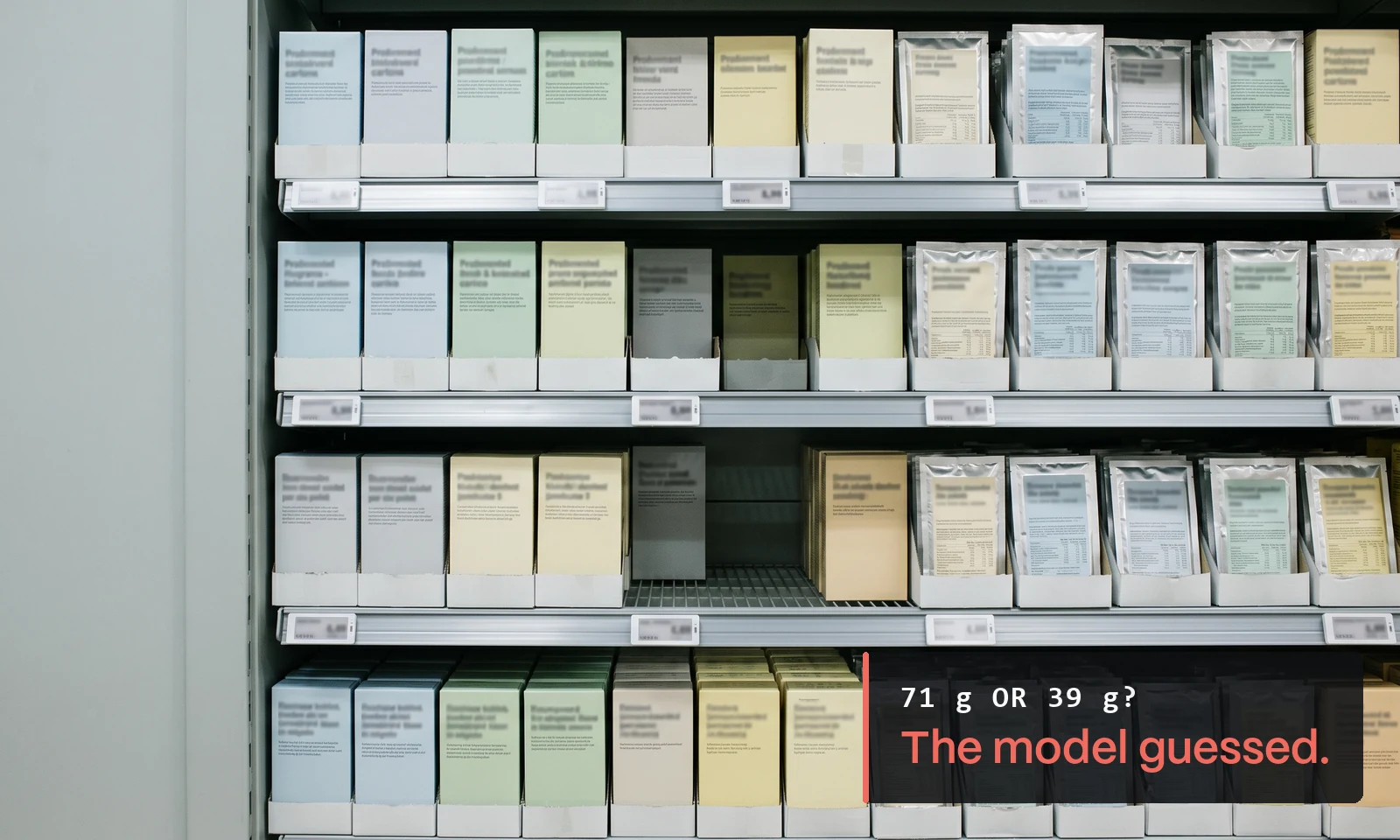
That mapping is the unglamorous part, and in our experience it is where these projects stall. A distributor’s product file and a producer’s product file agree on almost nothing: not the article numbers, not the pack sizes, not the customer names, not the spelling of the same shop on two invoices. Until that is resolved, every report built on top of it is confidently wrong. That reconciliation is the first thing our distributor sell-out data platform does, before it shows anyone a chart.
The wholesale layer came first because it covers the widest part of the market and is the hardest to reach any other way. Key accounts and directly served retail are a different piece of work, with different data and different agreements behind it.
What you can do once the middle layer is there
Coverage stops being an estimate. Instead of a regional percentage you get a list: these outlets stock the product, these stopped, these never started. That turns a planning conversation into a route list.
Targets stop being set per region and start being set per outlet, because you can finally see what an outlet of that size and format actually takes. And a promotion can be checked against movement rather than against a declaration, which changes the tone of the conversation with a distributor more than any contract clause.
None of this is a chart problem. It is a plumbing problem that looks like a chart problem, which is why it stays unsolved in so many organisations that already have good analysts.
Want to see what happens to your product after it leaves the warehouse?
Contact us →Tell us which distributors carry the bulk of your volume and we will go through what is reachable and what it would take to connect it.