





A caffeine threshold split one category in two. Shelf monitoring is how you see which half is standing there.
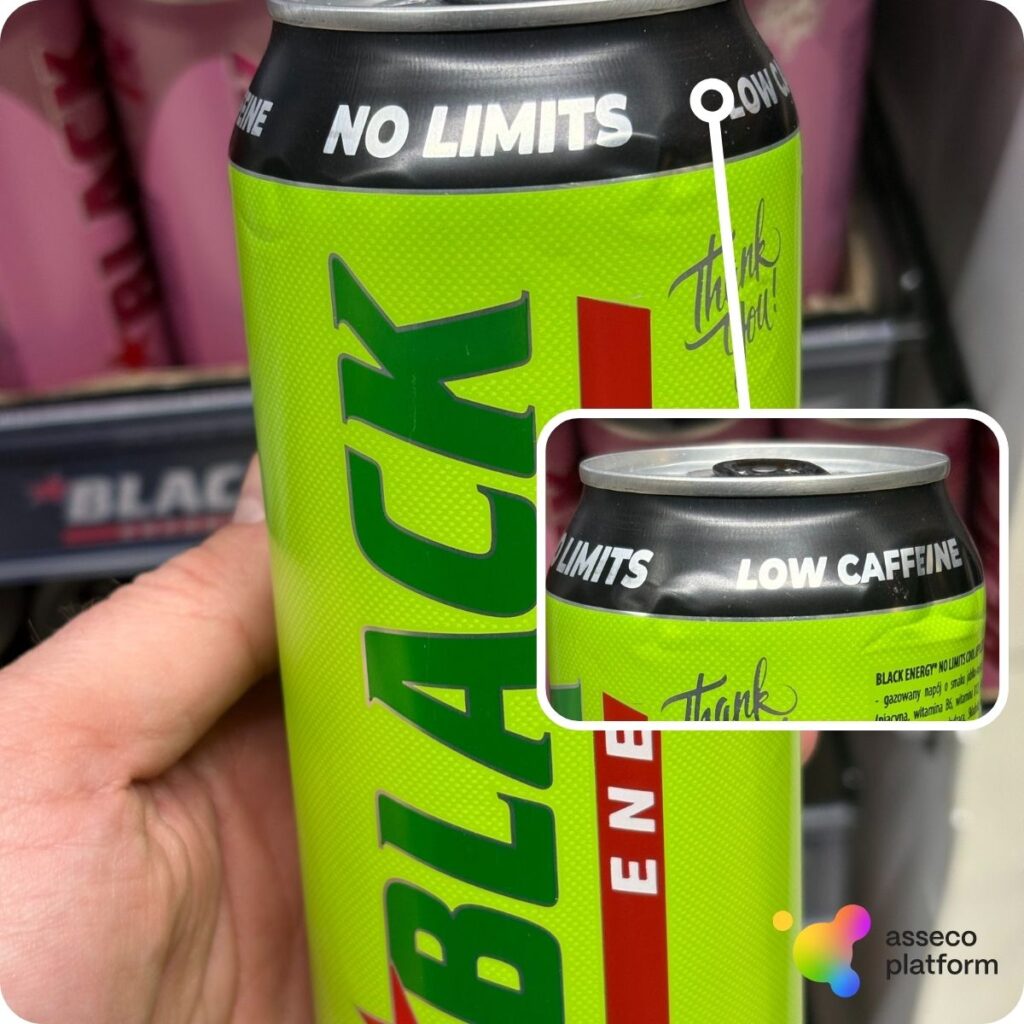
Poland put a number on what counts as an energy drink. Recipes below that number appeared next to the ones above it, in the same brand liveries, on the same shelves. From a meter away the two look the same. On paper they are different products under different rules.
What the rule defines
Poland’s public health act, amended in August 2023 and applied from 1 January 2024, treats a drink as an energy drink when it contains more than 150 mg of added caffeine per liter or any added taurine. Naturally occurring caffeine does not count. Such drinks may not be sold to anyone under 18, on the premises of educational establishments, or from vending machines.
One threshold, one absolute condition, and an “or” between them. Cutting caffeine below the line leaves a recipe inside the definition if the can still contains added taurine. To stay outside the definition, a recipe has to do both at once: keep added caffeine under the threshold and carry no added taurine.
A drink that stays inside the definition brings an obligation with it. The pack has to carry the words “Napój energetyzujący” or “Napój energetyczny” (“energy drink”), visible, legible and printed so that it cannot be removed. Either wording satisfies the act, which matters more than it sounds: there is no single string to look for on a shelf photograph.
The penalties sit on both sides of the counter and they are not the same size. A retailer who sells to a minor faces a fine of up to 2,000 zł. A producer or importer that fails to label a drink inside the definition faces up to 200,000 zł.
One more thing explains the timeline. The 2023 provisions were not notified to the European Commission, and a party fined under them could contest the penalty on that ground. The notified version closed that gap from 2026. So for two years the rule was clear and its enforcement was arguable.
What appeared on the shelf
The category reorganized itself around the number anyway.
Within months of January 2024, drinks with reformulated recipes were standing in the energy fixture in Polish stores: same producers, same brand families, often the same can format, carrying phrases such as “low caffeine” or “natural caffeine” instead of the mandated wording. Several producers landed on similar naming for these lines, Level Up and Black Energy among them, so the shelf now reads as though a new category had been born.
Our reading, and we are marking it as ours: the timing points at the rule rather than at shopper demand. Reduced-sugar and functional variants had been growing for years, and that trend is real. Reformulating, relabeling, relisting and shipping inside a few months is a different kind of movement, and it lines up with a definition that had a start date. We do not know, and we do not claim, why any individual company changed a given recipe.
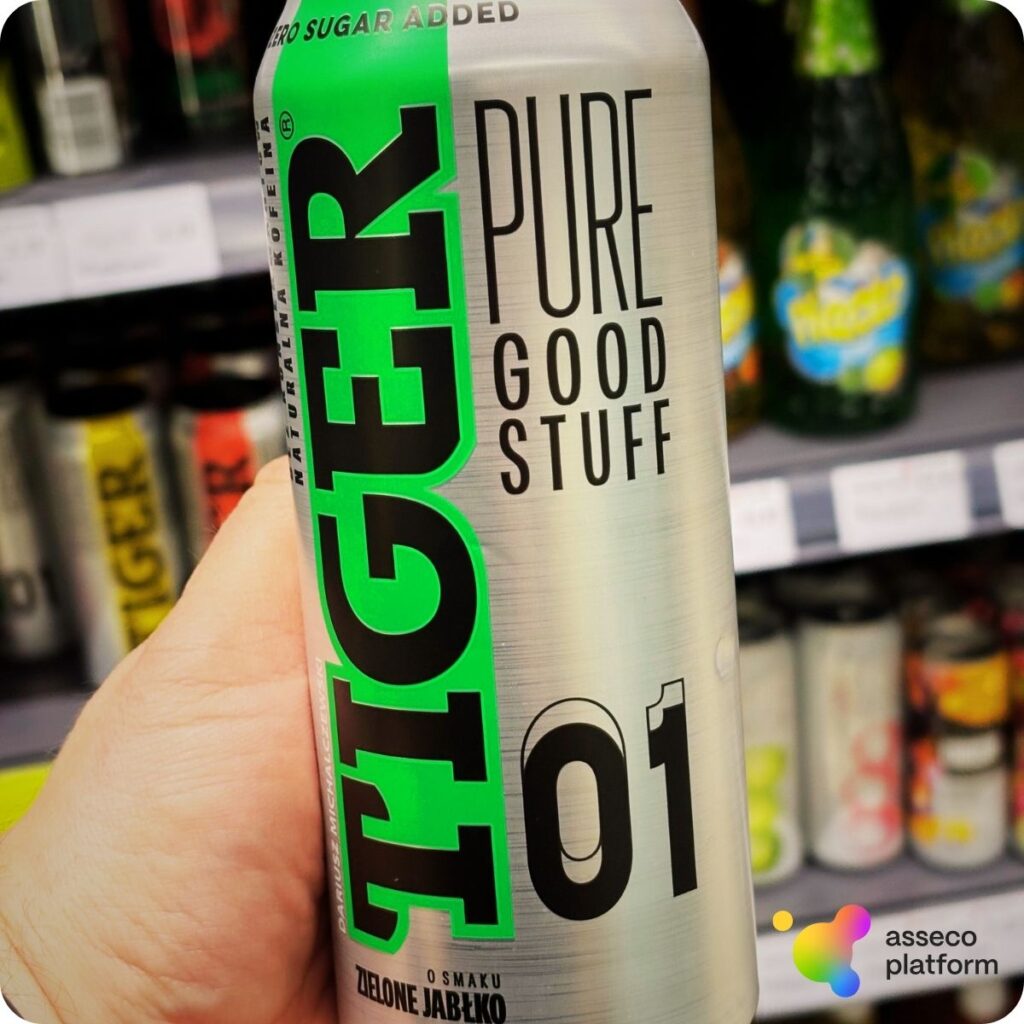
Why shelf monitoring gets harder after a reformulation
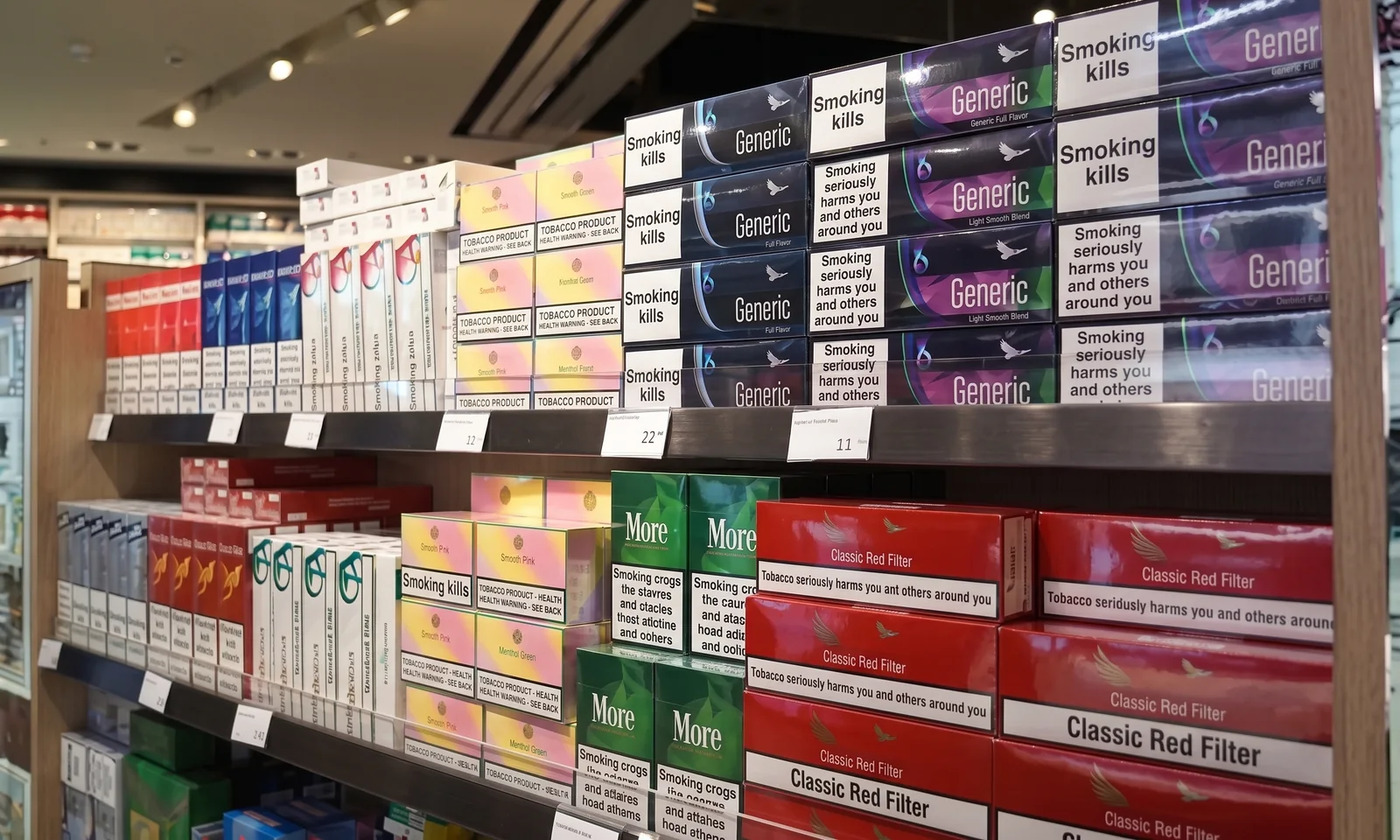
Here is what a reformulation looks like from a meter away. Same brand. Same color. Same can format, often the same shelf. The restricted variant carries one of the two mandated phrases; the sub-threshold one carries whatever its producer chose to print, in type a few millimeters high, curved around the rim.
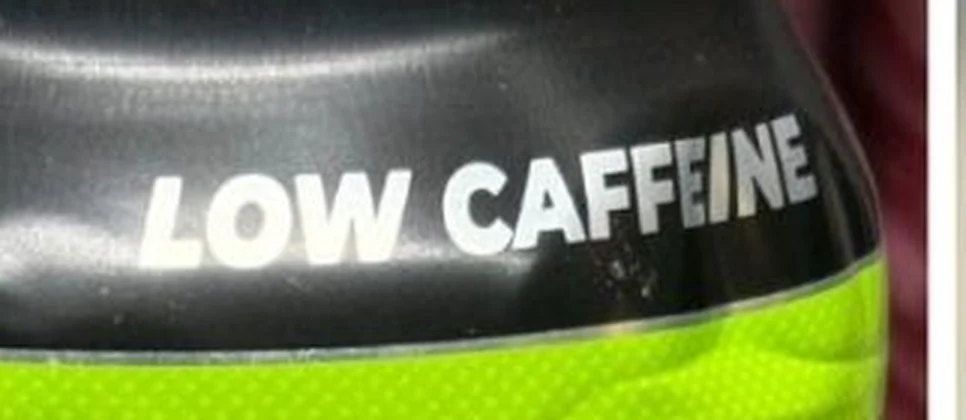
If your job is knowing what stands on that shelf, this is the hardest kind of difference there is. Two products that a planogram treats as separate lines look like facings of one line. A field representative checking distribution can log them as the same product. A photograph taken at arm’s length can flatten the distinction, because the deciding evidence is text, not shape or color.
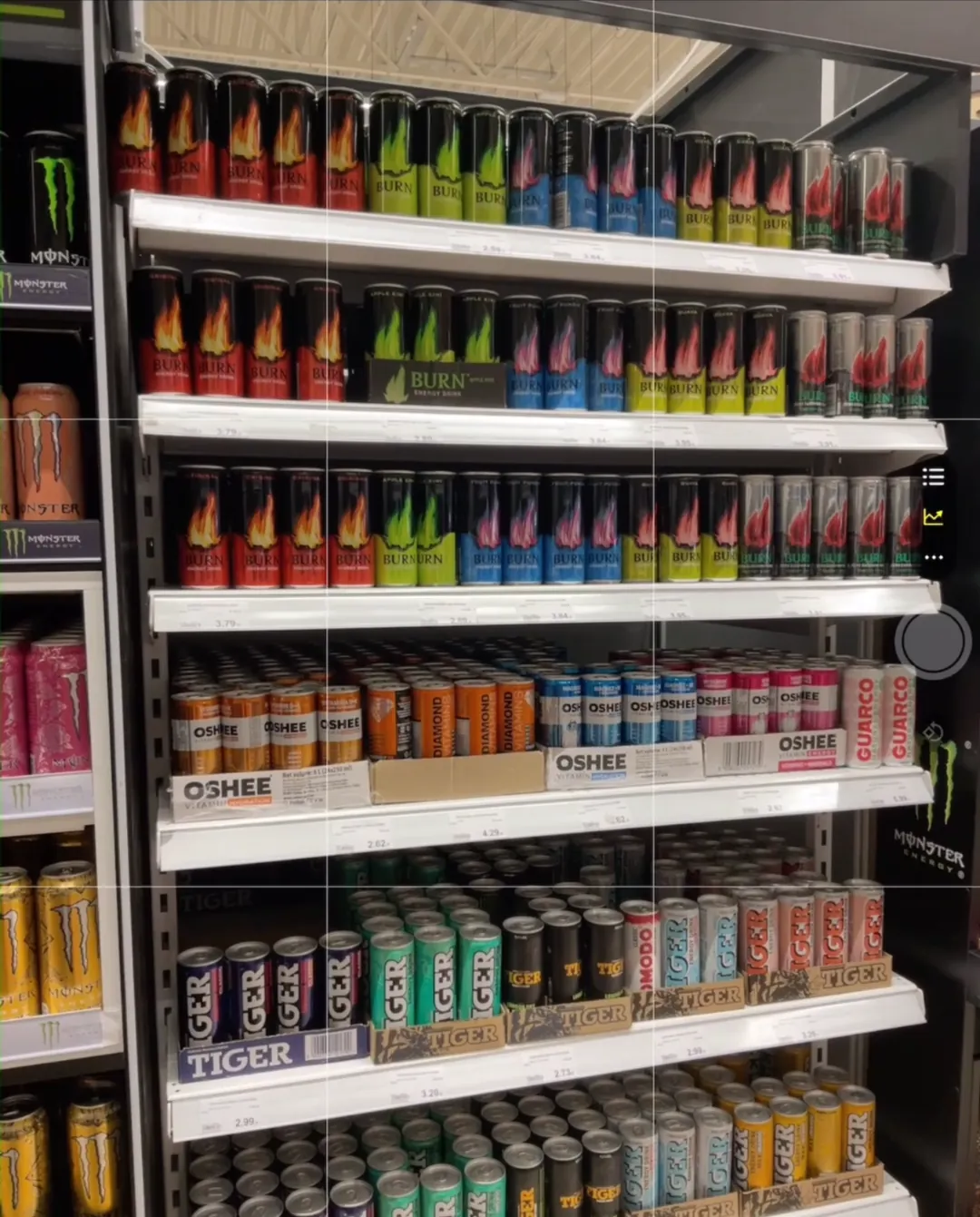
Shelf monitoring has to work at variant level to be worth anything here. Recognizing a can is not the task. Recognizing which variant of that can is standing there is the task.
Four questions worth answering when a recipe changes
A recipe changed to clear a legal threshold arrives in the market as a new product code, a listing conversation with every chain, and a price decision. Each of those is checkable. The fourth question below is different in kind, because it is the one with a fine attached.
- Did the new code get listed, and where? A recipe that exists in the plant and not in a chain’s assortment file is not in the market. That answer sits in distributor and chain data.
- Did it reach the shelf, and where did it stand? Listing is permission to be there. Whether the pack actually stands there is a second question, and its position relative to the restricted variant is a third.
- At what price, beside what? Priced like the restricted variant, the new one competes with it. Priced below, it competes with whatever sits next to it on the shelf. Both are decisions, and both are visible.
- Is every restricted pack in the market carrying one of the two mandated phrases? This obligation sits with the producer and importer, the fine reaches 200,000 zł, and old stock keeps circulating for months after a reformulation.
The same pattern appears wherever a rule sets a number
Nothing on that list is specific to caffeine.
When a rule defines a product category by a measurable quantity, it also defines the shape of the product that sits just below it. That is what a threshold does. Every time it happens, the store ends up holding two versions of one brand, alike to the eye, on different sides of a legal line.
A producer operating in several countries meets this more than once, in categories with no connection to each other. The question worth asking is whether your own data would tell you that part of your facings had quietly changed what they are.
How Asseco Platform answers these questions
Your data would tell you when it reaches variant level, and when what a person sees in the outlet reaches the same place as what a distributor reports. That is the work Asseco Platform does for 125,000+ users across 74 countries.
- Retail Image Recognition reads shelf photographs and returns the facings that are standing there, with recognition accuracy up to 98%. On a split category the output that matters is the division inside the brand block, not the block itself.
- Trade Data Hub brings distributor sell-out data together, so the question of whether a new product code moved, and through which distributors, has an answer that does not rest on anyone’s estimate.
- Sales & Retail Execution puts the check in the hands of the person already standing in the outlet: the variant, the printed wording and the price, confirmed in one visit.
This applies in any category where two products differ by less than a photograph of them can show.
Questions about Poland’s energy drink rule
Who pays if a drink is sold to a minor, the retailer or the producer?
The retailer, up to 2,000 zł. The producer’s exposure sits elsewhere and is much larger: failing to mark a pack that falls inside the definition with “Napój energetyzujący” or “Napój energetyczny” carries a fine of up to 200,000 zł for the producer or importer.
Do the drinks below the threshold have to say so on the pack?
No. The labeling obligation applies to drinks inside the definition. Whatever a sub-threshold pack says, “low caffeine” or anything else, is that producer’s own copy, so there is no fixed phrase to search for when you check a shelf.
Does naturally occurring caffeine count toward the 150 mg limit?
No. The act excludes caffeine that occurs naturally in the ingredients, which is why a drink can carry a “natural caffeine” claim and still sit on either side of the line. The claim on the front of the pack does not tell you which side.
Want to see which variant is standing in your fixture?
Talk to us →This article describes Polish regulation as background for retail execution work. It is not legal advice; the binding text is the act itself. Photographs are our own, taken in Polish stores in February 2025.